
Are you confused by import tariffs from China1? These unexpected costs can disrupt your budget and make planning difficult. We can help you understand these fees clearly.
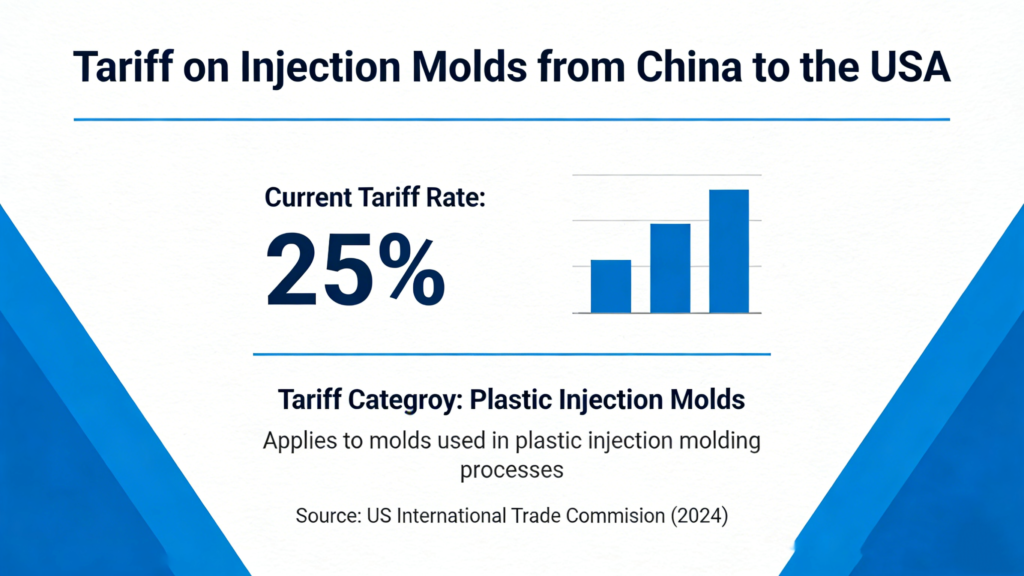
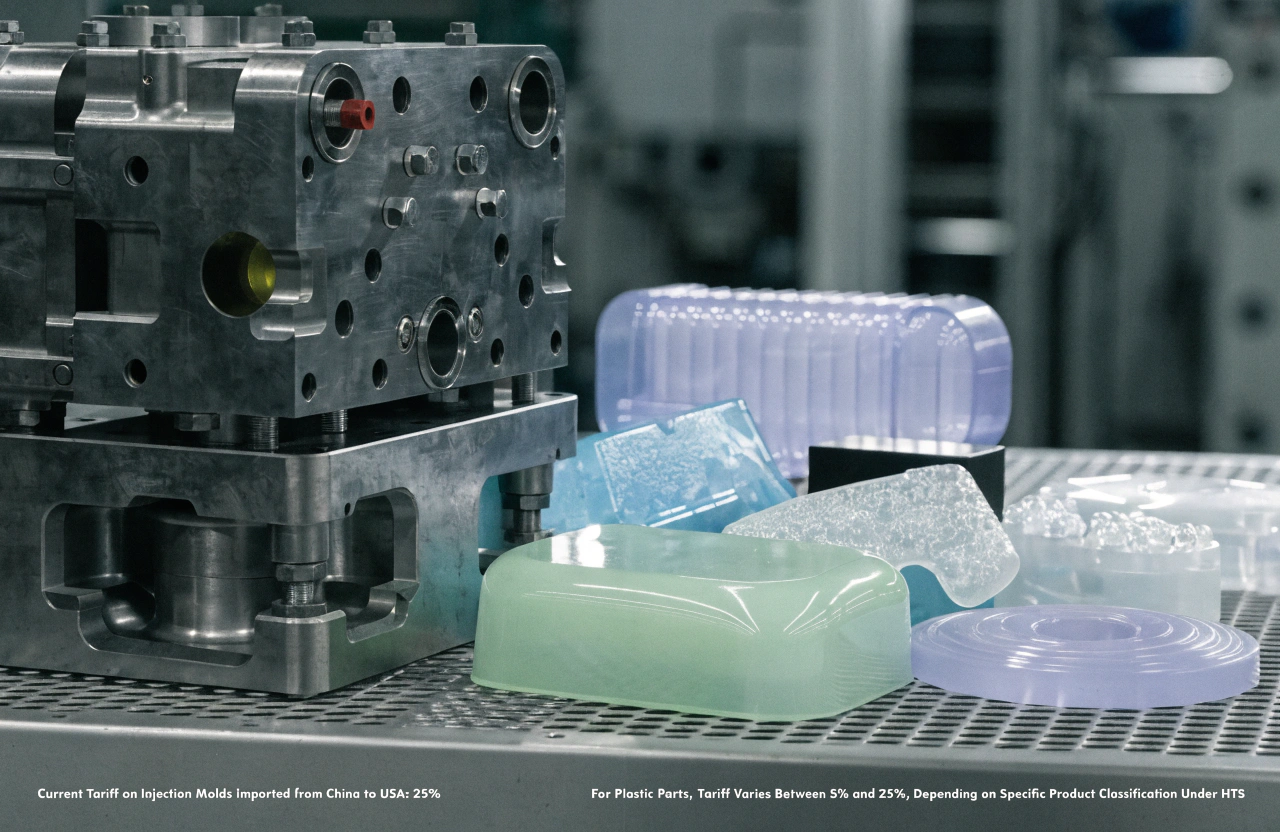
Currently, the tariff on injection molds imported from China to the USA is 25%. For plastic parts, the tariff rate varies between 5% and 25%, depending on the specific product's classification under the Harmonized Tariff Schedule (HTS)2.

Understanding these numbers is the first step. But the real challenge is figuring out how they fit into your total project cost and what you can do about them. Many of our clients, especially project managers at electronics and toy companies, worry about these tariffs affecting their bottom line. It's not just about paying a fee; it's about maintaining your competitive edge3. Let's break down how these tariffs work and how you can manage them effectively.
How do these tariffs really impact my total project cost?
You see the tariff percentage, but you're not sure how it affects your entire budget. This uncertainty can make you hesitate on important decisions, risking delays and cost overruns.
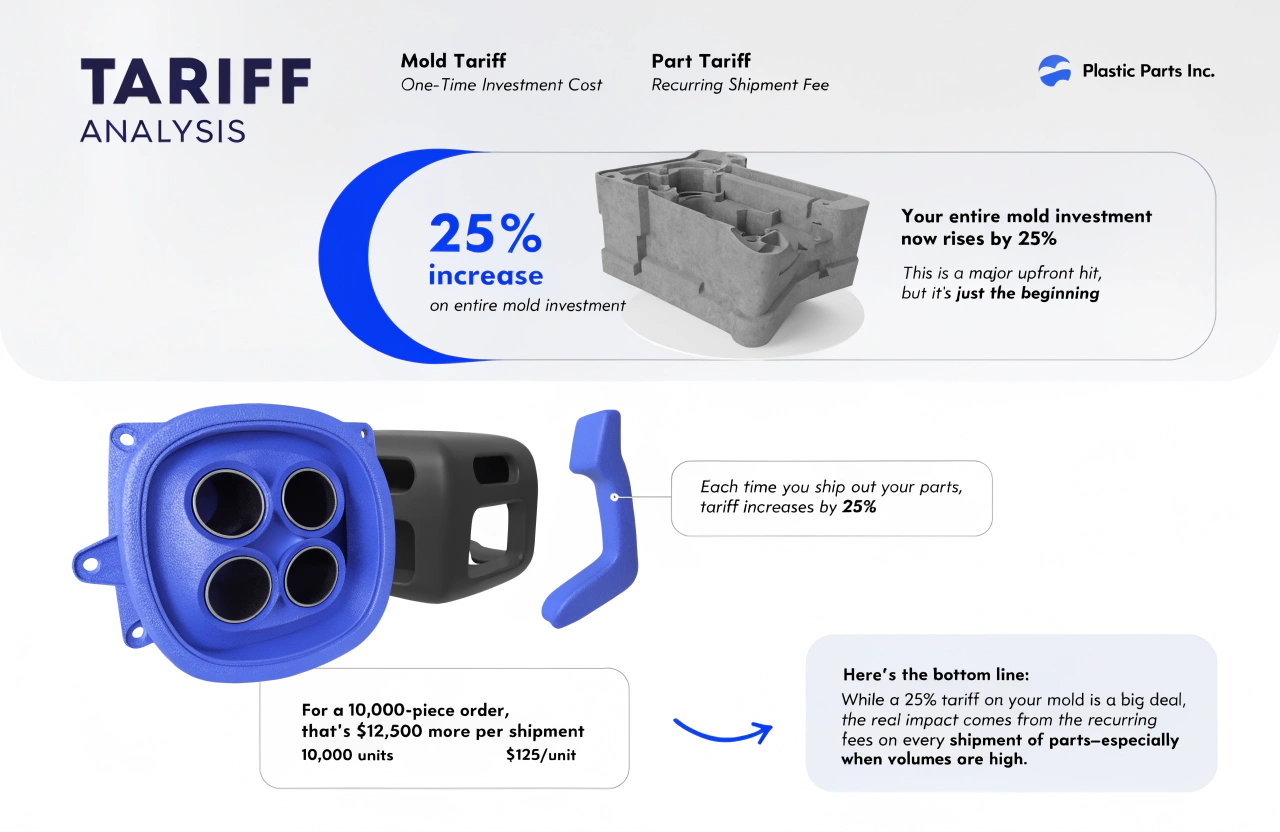
The 25% tariff on your mold is a significant one-time investment cost. However, the recurring tariff on each shipment of plastic parts can have a much larger long-term impact on your product's final price and overall profitability, especially for high-volume production.
Understanding the Cost Breakdown
When we work with clients, we go beyond just the tariff rate. We help them calculate the total landed cost. This includes the mold cost, the part price, shipping, insurance4, and the tariffs. A common mistake is focusing only on the large, one-time mold tariff while underestimating the cumulative effect of part tariffs. For a recent project with a STEM toy developer, we mapped out the costs over a two-year production run. The initial 25% mold tariff seemed high, but the 15% tariff on the parts added up to nearly double the mold tariff's cost over the full run. As your [china mold maker](https://arxiv.org/html/2510.19631v1)5, we believe it's our job to provide this full financial picture.
One-Time vs. Recurring Costs
| Cost Type | Description | Financial Impact |
|---|---|---|
| Mold Tariff | A one-time 25% tax on the declared value of the injection mold. | A predictable, upfront capital expense. It affects the initial project budget but does not change with production volume. |
| Parts Tariff | A recurring tax (5%-25%) on the value of each shipment of plastic parts. | An ongoing operational expense. It directly affects the cost of goods sold (COGS) and your profit margin on every unit sold. |
This analysis helps you decide the best manufacturing strategy for your product's lifecycle.
How can working with a China mold maker help manage tariff costs?
You feel stuck paying high tariffs, thinking there's no way around them. This feeling of helplessness can stop you from finding smarter, more cost-effective solutions for your supply chain.
A strategic partnership with an experienced [plastic mold maker](https://en.wikipedia.org/wiki/Sustainable_city)6 like us offers solutions. We can help optimize your product's design and HTS classification to potentially lower part tariffs and provide transparent cost breakdowns for better financial planning.
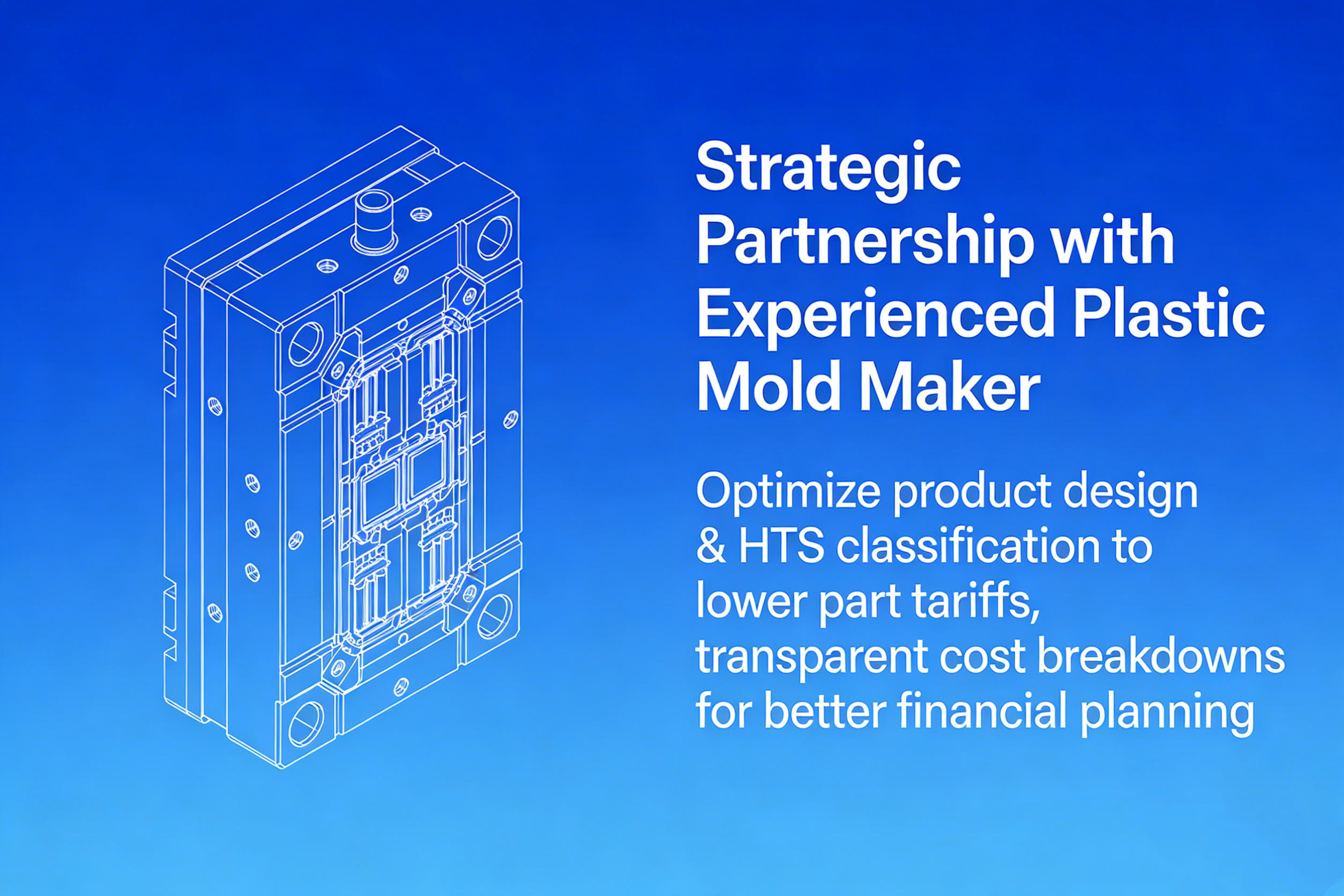

Strategic Cost Management
Tariffs are a reality of international trade, but they can be managed with the right expertise. Our role at Ambition Industrial extends beyond just manufacturing molds and parts. We act as your strategic partner on the ground in China. For example, we had a client in the cosmetics packaging industry who was facing a high tariff on a finished component. By slightly modifying the assembly process and shipping a "sub-assembly" instead of a "finished good," we were able to reclassify the product under a different HTS code. This small change legally reduced their part tariff from 18% to 7.5%, saving them tens of thousands of dollars annually.
Our Approach to Tariff Optimization
- HTS Code Analysis: We review your product design against the Harmonized Tariff Schedule. We look for legitimate opportunities to classify your product under a code with a lower duty rate. This is a complex but crucial step.
- Transparent Quoting: Our quotes always provide a clear, itemized breakdown. You will see the cost of the mold, the price per part, and the estimated tariff impact separately. This transparency empowers you to make informed budgeting decisions without any hidden surprises.
- Supply Chain Solutions: We can manufacture your mold in China to leverage our expertise and cost advantages. Then, based on your needs, we can run production here or even ship the mold to a facility in a different country to mitigate ongoing part tariffs. As a flexible
AMBITION INDUSTRIAL mold maker, we tailor the solution to your business goals.
Are there other costs to consider besides tariffs when importing from China?
You’ve budgeted for the tariffs, but you have a nagging feeling you're missing something. This uncertainty creates risk, as hidden costs can suddenly appear and destroy your profit margins.
Yes, beyond tariffs, you must account for shipping fees7, customs brokerage charges8, insurance4, and potential quality inspection costs. These elements together determine your true "landed cost," which is the total price of getting your product from our factory to your warehouse.
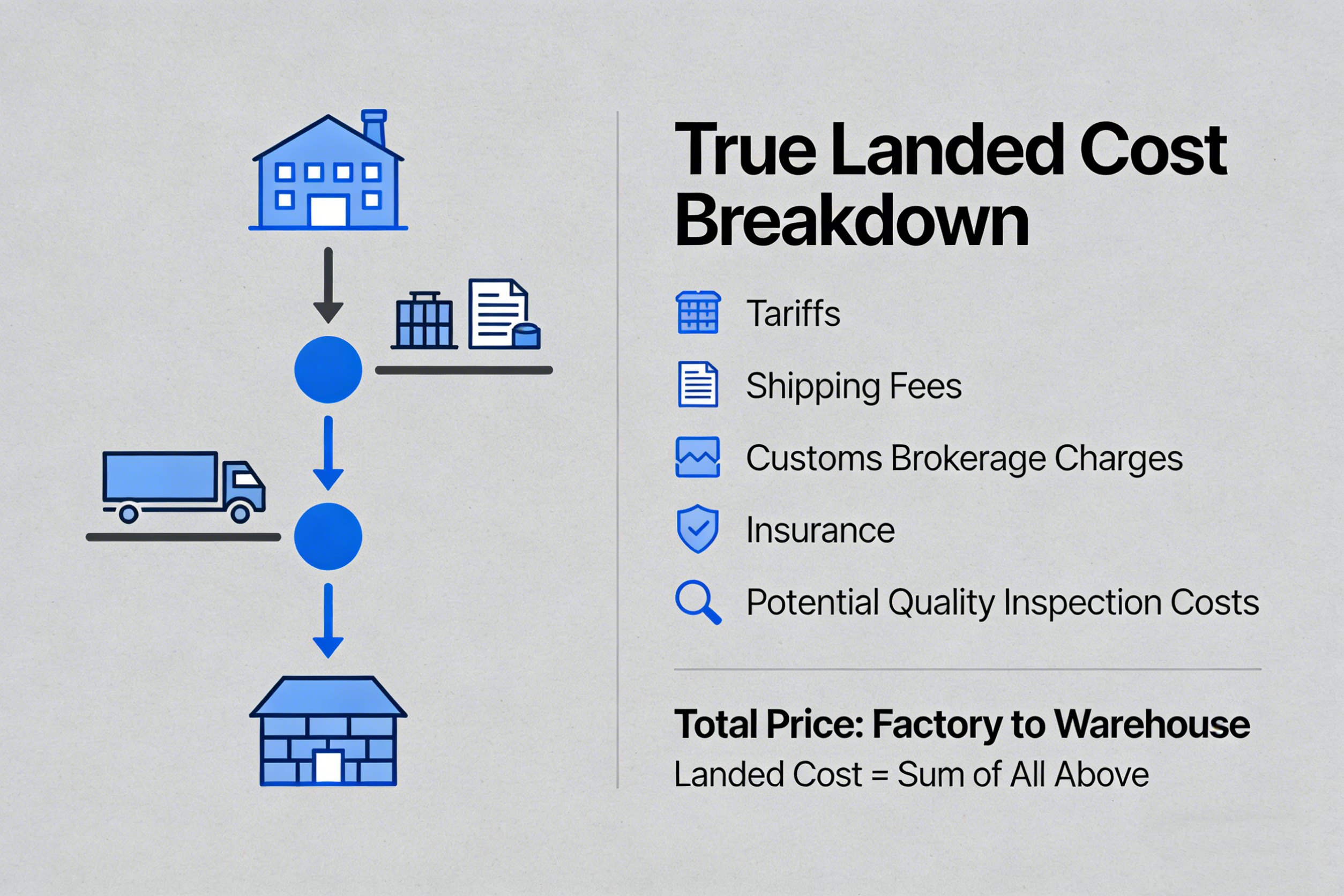
Calculating the True Landed Cost
It's a mistake I've seen many new importers make. They get a great price from a manufacturer and calculate the tariff, but they forget the journey in between. The cost of shipping a large injection mold or pallets of finished parts can be substantial, and it fluctuates with global freight rates. Then there's customs. A customs broker will charge a fee to handle the paperwork and ensure your goods clear inspection smoothly. We always advise clients to budget for these expenses from day one. I remember a project with an electronics developer where we saved them from a major headache. Their initial logistics plan didn't account for the unique handling requirements of their sensitive components. We helped them find a specialized freight forwarder, preventing potential damage and costly delays at the port.
Key Components of Landed Cost
| Expense Category | Description | Why It Matters |
|---|---|---|
| Freight/Shipping9 | The cost to transport goods via sea or air from China to the USA. | Can vary significantly based on weight, volume, and urgency. Sea freight is cheaper but slower; air freight is fast but expensive. |
| Customs Brokerage | Fees paid to a licensed broker to facilitate customs clearance. | Essential for navigating complex import regulations and paperwork. Incorrect filings can lead to fines and delays. |
| Insurance | Protects your goods against loss or damage during transit. | A small cost that provides crucial protection for your valuable molds and products. |
| Port & Handling Fees10 | Various charges at both the origin and destination ports. | These are standard operational costs in logistics that are often overlooked in initial estimates. |
As your manufacturing partner, we provide estimates for these costs and can connect you with trusted logistics providers to ensure a smooth and predictable import process.
Conclusion
Understanding the 25% mold tariff and variable part tariffs is key. A strategic partnership with an experienced manufacturer helps you manage these costs and navigate the complexities of international trade.
Understanding import tariffs is crucial for budgeting and planning when importing goods from China to the USA. ↩
The HTS classification determines the tariff rate, impacting the cost of importing goods. ↩
Managing tariffs effectively is crucial to maintaining profitability and competitiveness. ↩
Insurance protects against loss or damage during transit, safeguarding valuable goods. ↩
Partnering with a China mold maker can offer strategic solutions to manage and reduce tariff costs. ↩
A plastic mold maker can optimize product design and HTS classification to lower tariffs. ↩
Shipping fees are a significant part of the landed cost and can affect overall import expenses. ↩
Customs brokerage charges ensure smooth customs clearance, avoiding fines and delays. ↩
Choosing between sea and air freight affects cost and delivery time, impacting logistics decisions. ↩
Port and handling fees are standard costs in logistics that need to be accounted for in budgeting. ↩