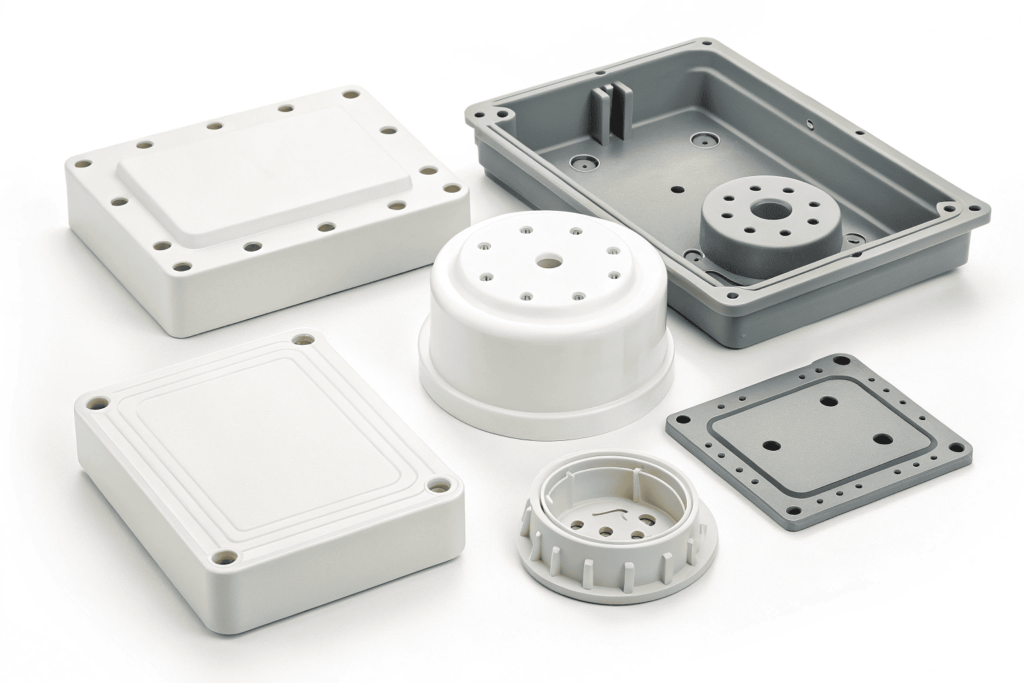
Are you struggling to choose the right material for your product? You need a plastic that is both strong and easy to work with. The wrong choice can lead to delays and high costs.
Yes, ABS1 is one of the best and most popular materials for injection molding2. Its great flow characteristics3, thermal stability4, and consistent shrinkage5 make it a top choice for producing strong, high-quality parts for industries like automotive, electronics, and consumer goods. We use it constantly.
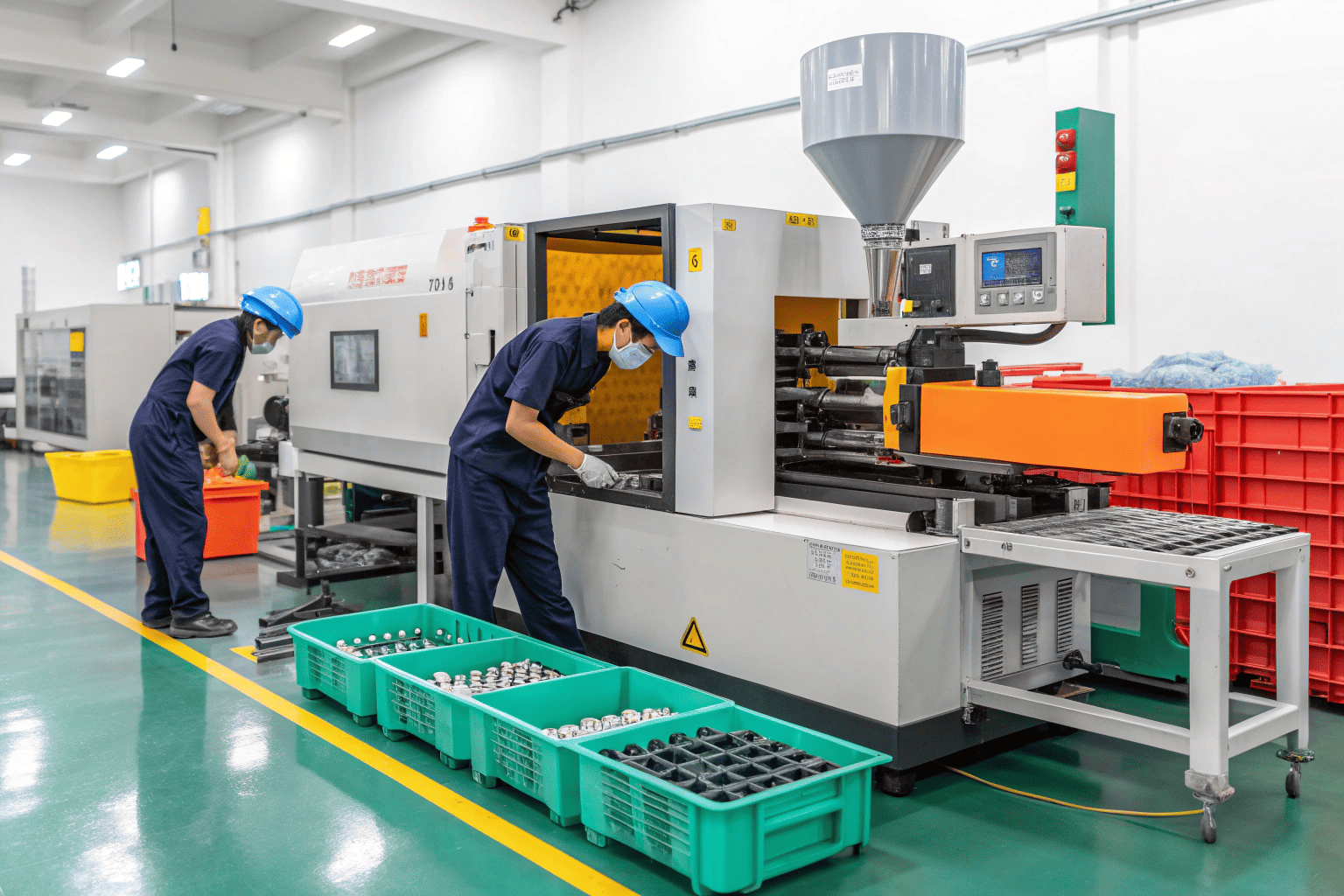
I get this question a lot, especially from new clients who are just starting a project. They've heard about ABS, they know it's used everywhere, but they want to be sure it’s the right fit for their specific needs. The simple answer is yes, but the real magic is in the details. The success of an ABS injection molding project depends on understanding how to handle the material, from its basic form to its more advanced, modified versions. Let's explore what really goes into making a perfect ABS part.
Does Modifying ABS Change How It's Molded?
Have you found that standard ABS doesn't meet your product's strength or safety needs? You might need more, but you're worried that changing the material will complicate the manufacturing process.
Absolutely. Modifying ABS with additives like glass fiber6 or flame retardants7 significantly changes its behavior during injection molding. These changes require specific adjustments to temperature, pressure, and even mold design8 to achieve the desired outcome and avoid defects. It's a different ballgame.
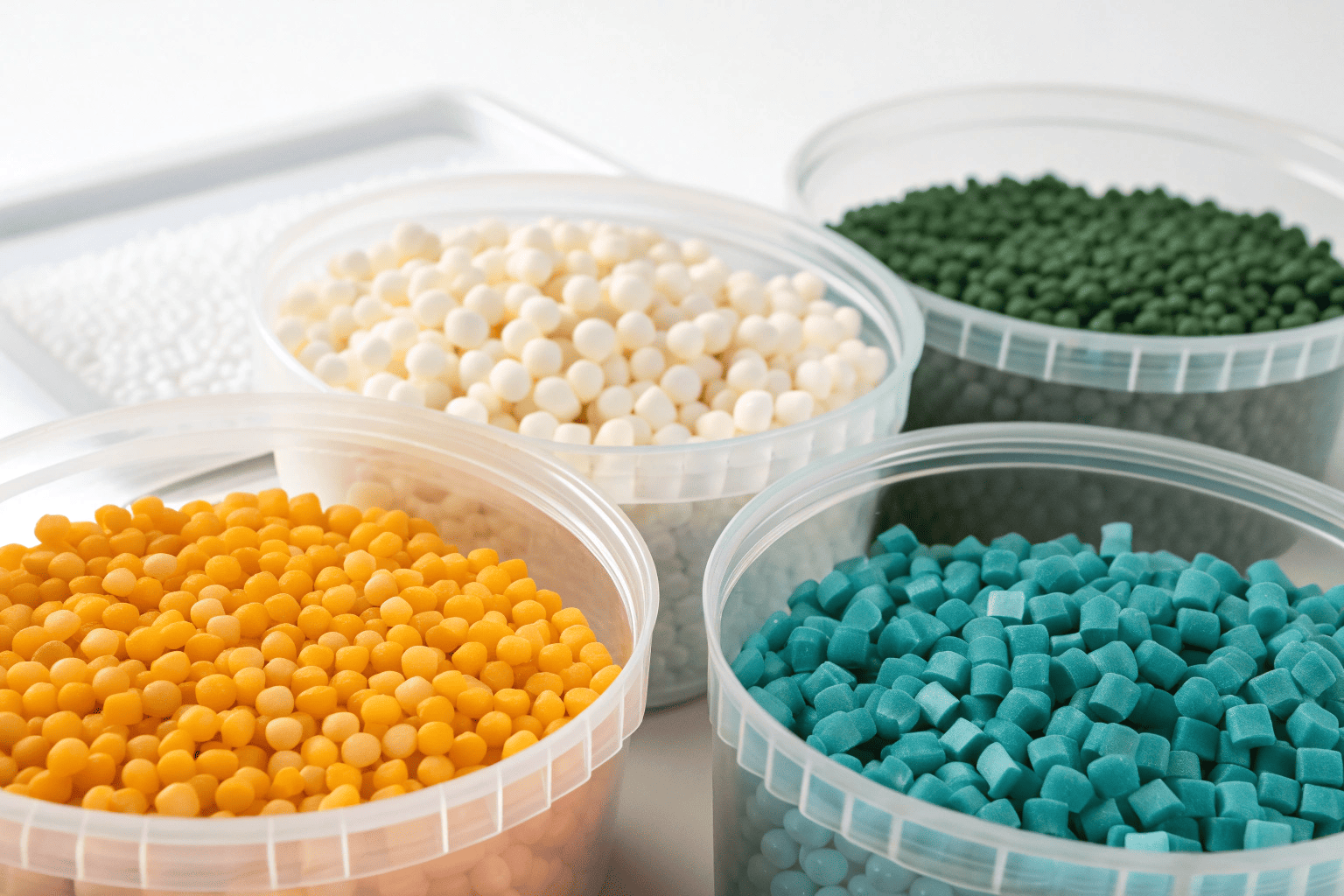
When a client comes to us with a project, one of the first things we discuss is the end-use of the product. Standard ABS is fantastic, but it's not always enough. I remember a project for an electronics enclosure. The client needed it to be very rigid and also meet certain fire safety standards. Standard ABS just wouldn't cut it. We had to use a flame-retardant, glass-fiber-reinforced grade. This changed our entire approach.
The Impact of Additives
Additives are mixed into the base ABS resin to enhance specific properties. Each one brings its own set of molding challenges.
-
Glass Fiber (GF): Adding glass fibers increases stiffness and strength. However, the melted plastic becomes thicker and doesn't flow as easily. We have to increase the injection pressure to make sure the mold fills completely. We also have to be careful about the gate location, as the fibers can align with the flow direction, making the part strong in one direction but weak in another.
-
Flame Retardants (FR): These are essential for electronics and automotive parts. The problem is that many flame retardants7 are sensitive to heat. If we set the barrel temperature too high, the retardant can break down, releasing gases that cause bubbles or marks on the part. We have to keep the temperature in a very precise, and often lower, range.
Process Adjustments Table
Here’s a simple breakdown of how we adjust our process for modified ABS:
| Material Type | Key Property Change | Required Process Adjustment | Common Challenge |
|---|---|---|---|
| Standard ABS | Baseline | Standard temps (200-250°C), moderate pressure | Basic quality control |
| Glass-Reinforced ABS | Increased Stiffness | Higher injection pressure, higher melt temperature | Uneven fiber orientation |
| Flame-Retardant ABS | Fire Safety | Lower, precise melt temperature control | Additive degradation |
| High-Impact ABS | Increased Toughness | Often requires slightly higher mold temps for better fusion | Potential for weld lines |
Understanding these differences is key. It's not just about choosing a material; it's about building a process around that material to guarantee a successful product.
What Are the Key Settings for Molding ABS Plastic?
Are you getting inconsistent results with your ABS parts? Sometimes they look great, but other times they have defects. This can be frustrating and costly, especially when you are on a tight schedule.
Successful ABS molding depends on precise control of a few key parameters. The most critical are the melt temperature9 (200-250°C), mold temperature (40-80°C), and injection pressure10. Getting these right ensures consistent quality, strength, and finish for every single part.
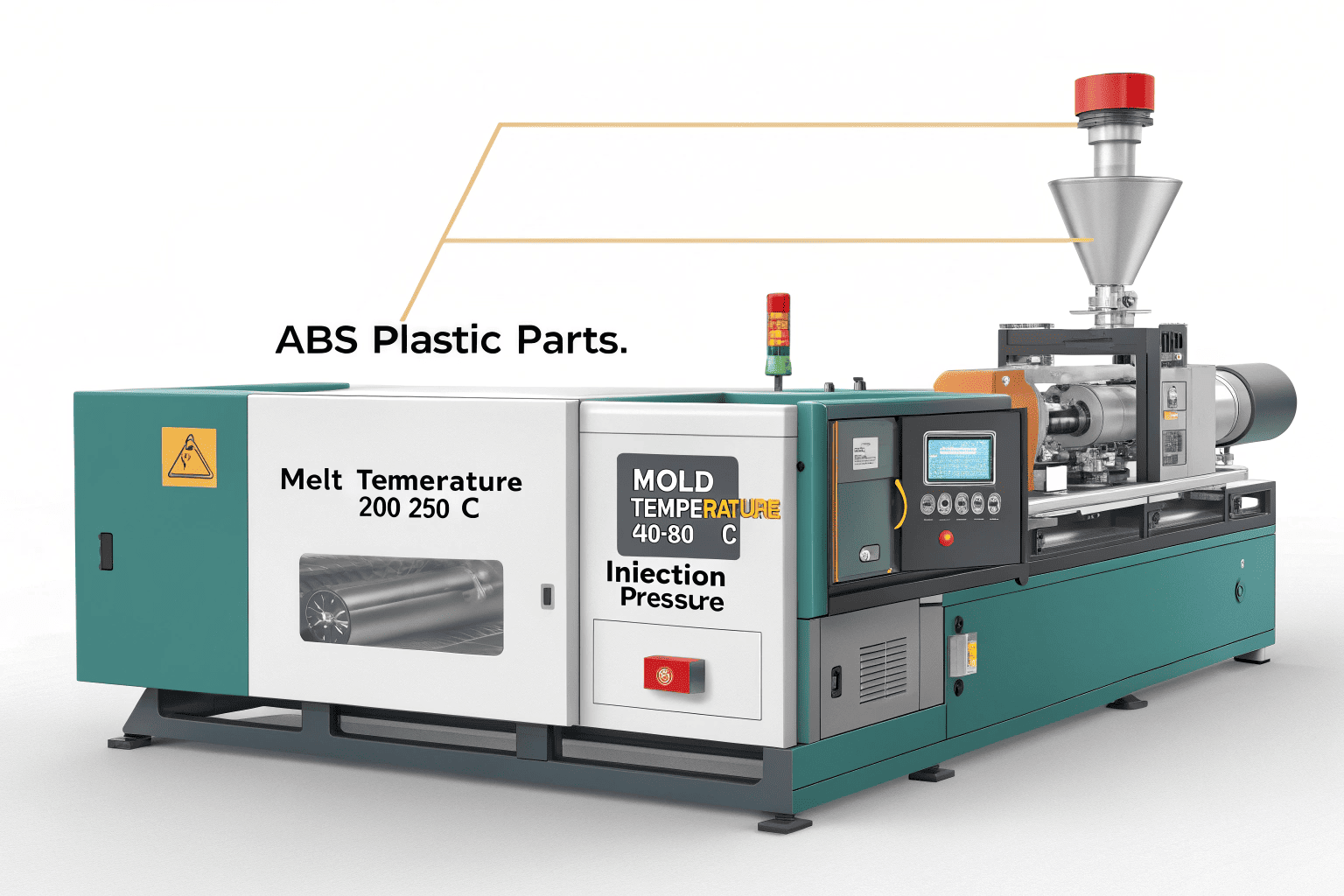
I often compare injection molding to baking a cake. You can have the best ingredients in the world, but if your oven temperature is off or you take it out too soon, you'll end up with a mess. The same is true for ABS. The raw material is excellent, but its final quality is determined entirely by the process settings. We once worked on a project for a high-end cosmetic container. The client wanted a flawless, piano-black, glossy finish. Any tiny imperfection would be a reason for rejection. This is where process optimization becomes an art.
The "Big Three" Parameters
To get that perfect part, we focus on three main areas.
-
Melt Temperature: This is the temperature of the plastic as it's injected into the mold. For ABS, this is typically between 200°C and 250°C. If it's too low, the plastic will be too thick to fill the mold properly, causing "short shots." If it's too high, the material can degrade, losing its properties and causing surface defects like burn marks.
-
Mold Temperature: The temperature of the mold itself is just as important. For ABS, we usually keep it between 40°C and 80°C. A warmer mold allows the plastic to flow more smoothly and create a better surface finish11. For that glossy cosmetic case I mentioned, we had to use a high mold temperature12 of 80°C and a special mirror-finish mold. A colder mold can cause the plastic to cool too quickly, leading to stress and weak spots.
-
Injection Pressure and Speed: This determines how fast and with how much force the plastic is pushed into the mold. It’s a balancing act. Too much pressure can cause "flash" (excess plastic seeping out of the mold), while too little can result in an incomplete part.
Optimizing for Part Design
The design of the part itself also influences these settings.
- Thin Walls: Parts with thin walls need higher injection speeds and pressures to fill before the plastic freezes.
- Complex Shapes: Complicated geometries often require careful gate placement to avoid weak points called "weld lines," where two plastic flows meet. We might use multiple gates or adjust the mold temperature12 to help these flows fuse together better.
It’s this attention to detail that separates acceptable parts from great ones.
How Do You Balance Cost and Quality with ABS Molding?
Are you trying to make your project more budget-friendly without sacrificing quality? It feels like a constant battle. Cutting costs in the wrong place can lead to product failures and higher expenses later.
Balancing cost and quality with ABS is about smart design and efficient processing. ABS is cost-effective13 due to its fast cycle times (15-60 seconds). The key is to optimize wall thickness14 to avoid defects and choose the right grade of ABS for your specific application.
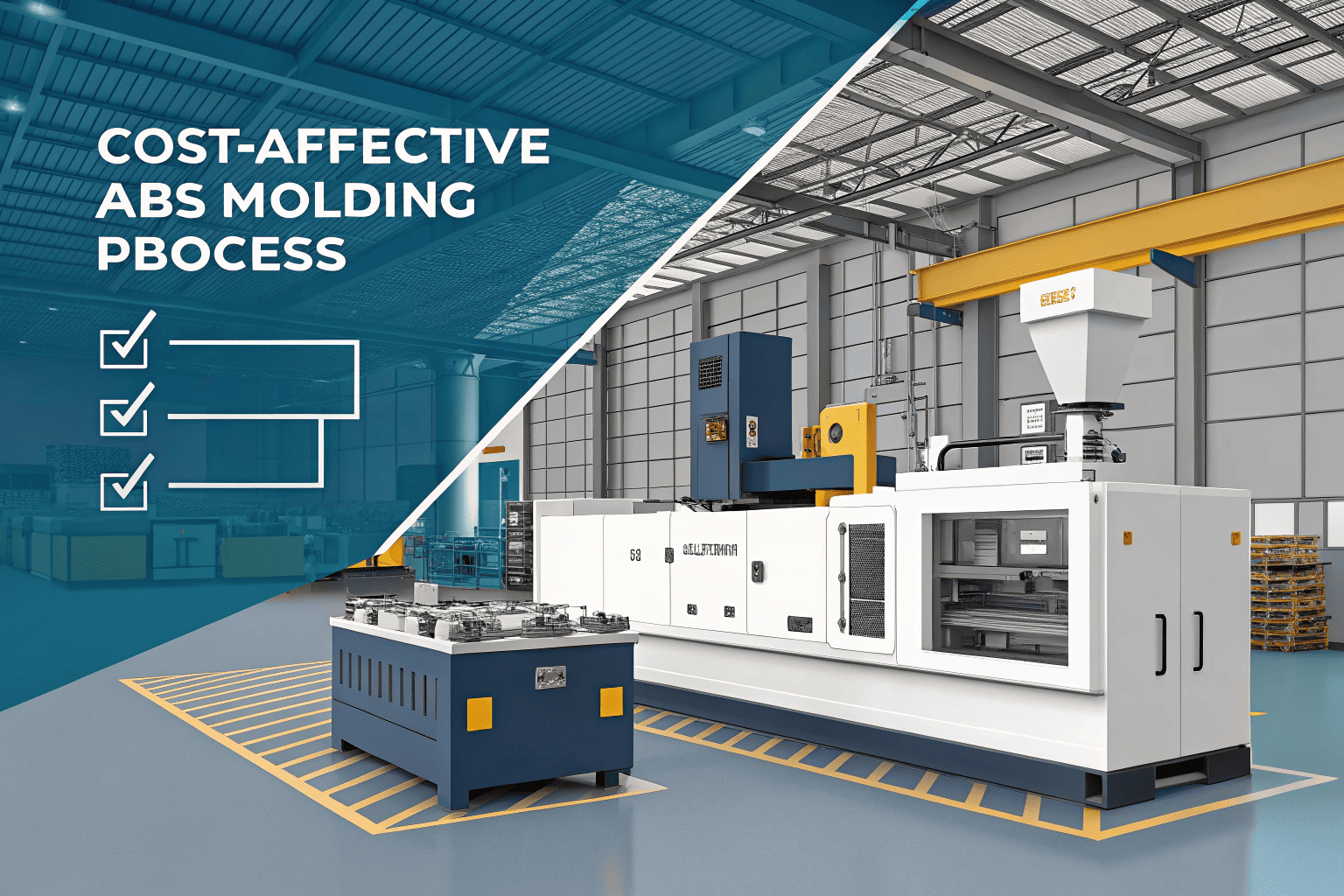
One of my clients, a toy developer, came to me with a brilliant new educational product. Their budget was tight, as it is for many startups. They wanted a durable, colorful, and safe product, but the cost per unit had to be very low. ABS was the obvious material choice, but we had to be very strategic about how we used it. This is where the balance between engineering and economics really comes into play. We didn't just look at the material price; we looked at the entire manufacturing process15 to find savings.
The Role of Wall Thickness
The design of the part is the biggest factor in its cost. A major element of this is wall thickness.
- Too Thin: If the walls are too thin, the molten plastic may not be able to fill the entire mold cavity before it cools and solidifies. This results in an incomplete part, which is pure waste.
- Too Thick: If the walls are too thick, it takes longer for the part to cool down. This increases the cycle time, meaning we can make fewer parts per hour, which drives up the cost. Thick sections are also prone to "sink marks," which are ugly depressions on the surface.
For the toy project, we used software to simulate the plastic flow and identified areas where we could make the walls thinner without losing strength. This small change reduced the material used per part and shortened the cooling time, saving the client a significant amount of money over the production run.
Choosing the Right ABS Grade
Not all ABS is the same. There are hundreds of different grades, each with a different price and different properties.
| Grade Type | Key Feature | Best For... | Cost Impact |
|---|---|---|---|
| General Purpose | Good balance | Housings, toys, general items | Most economical |
| High Impact | Very tough | Protective cases, automotive bumpers | Slightly more expensive |
| High Gloss | Shiny finish | Cosmetic packaging, decorative parts | Higher cost due to resin and process needs |
| Heat Resistant | Withstands heat | Parts near engines, appliance components | More expensive than general purpose |
By selecting a general-purpose grade that still met all the safety requirements, we kept the material cost for the toy project low. There was no need for a high-heat or high-gloss grade, so we didn't spend money on features the product didn't need. This targeted approach is fundamental to making ABS molding both high-quality and affordable.
When Should You Choose ABS Over Other Plastics?
Feeling overwhelmed by the sheer number of plastic options available? It's hard to know if you're making the right choice. Picking the wrong material can set your project back and compromise its success.
Choose ABS when you need a balanced combination of toughness, dimensional stability16, and good looks at a reasonable price. While materials like PC/ABS offer more impact resistance and PP is cheaper, ABS hits the sweet spot for a huge range of mid-market applications.
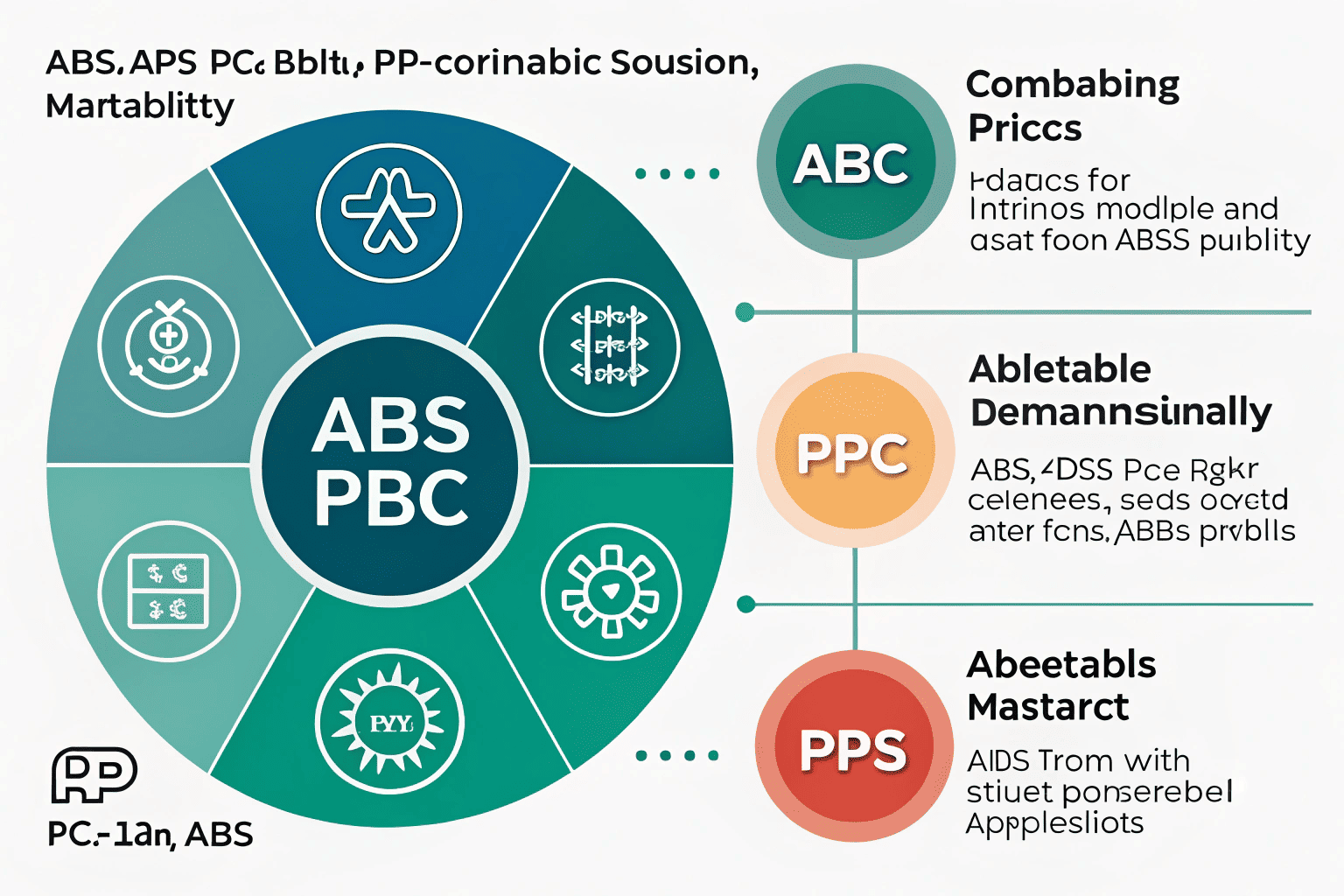
A while back, we had a client who was developing a new handheld scanner for warehouse use. They were initially considering polycarbonate (PC) because it's incredibly tough. But it's also more expensive and can be trickier to process. On the other end, they looked at polypropylene (PP), which is very cheap but feels less premium and isn't as rigid. They were stuck. This is a classic scenario where ABS shines. It provided the durability they needed to survive drops, the rigidity to protect the internal electronics, and a high-quality finish that made the product feel professional—all while keeping the unit cost within their target.
ABS in the Material Landscape
To make a good decision, you have to understand where ABS fits. It’s a fantastic all-rounder, but it has competition.
-
Polypropylene (PP): This is your go-to for low-cost applications where high rigidity isn't a priority. Think food containers, basic car trim, and simple toys. It’s flexible and chemically resistant but doesn't have the strength or premium feel of ABS.
-
Polycarbonate (PC): When you need extreme toughness and heat resistance, PC is a great choice. It's used for things like safety glasses and bulletproof glass. However, it's more expensive and requires higher processing temperatures than ABS.
-
PC/ABS Alloy: This blend gives you the best of both worlds: the toughness of PC and the easy processing of ABS. It's perfect for demanding applications like laptop housings and automotive dashboards. Naturally, this performance comes at a higher price point than straight ABS.
Making the Right Call
Here’s a simple guide to help you decide:
| Factor | Choose ABS If... | Consider Another Plastic If... |
|---|---|---|
| Cost | You have a moderate budget and need good performance. | Your top priority is the lowest possible price (use PP). |
| Impact Strength | The part needs to be durable and withstand everyday bumps. | The part must survive extreme impacts (use PC or PC/ABS). |
| Appearance | You need a good surface finish and the option for many colors. | You need crystal clear transparency (use PC or Acrylic). |
| Ease of Processing | You want a reliable, well-understood manufacturing process. | You have specialized needs like extreme heat resistance (use PEEK). |
For most products that you see and use every day, from your computer mouse to the dashboard in your car, ABS provides that perfect, reliable middle ground. It's the dependable workhorse of the plastics industry.
Conclusion
In short, ABS is an excellent, versatile material for injection molding. Its success depends on smart processing, proper material selection, and optimized design to balance both cost and performance.
Explore the advantages of ABS, a popular choice for injection molding, known for its strength and versatility. ↩
Learn about the injection molding process, a key manufacturing technique for producing high-quality plastic parts. ↩
Understanding flow characteristics is crucial for optimizing the injection molding process and ensuring quality. ↩
Discover how thermal stability affects the quality and performance of molded parts. ↩
Learn about shrinkage in injection molding and its impact on the final product dimensions. ↩
Find out how glass fiber can improve the strength and stiffness of ABS parts. ↩
Learn about the importance of flame retardants in ensuring safety for electronic and automotive applications. ↩
Understand the significance of mold design in achieving high-quality injection molded parts. ↩
Discover the optimal melt temperature for ABS to ensure successful injection molding. ↩
Explore how injection pressure impacts the filling and quality of molded ABS parts. ↩
Discover techniques for ensuring a flawless surface finish in ABS injection molded parts. ↩
Learn about the role of mold temperature in achieving the desired finish and quality of molded parts. ↩
Discover strategies for balancing cost and quality in ABS injection molding. ↩
Understand the importance of wall thickness in optimizing cost and quality in ABS molding. ↩
Get insights into the critical steps involved in the ABS injection molding process. ↩
Learn how dimensional stability affects the performance and fit of molded products. ↩