
Worried your plastic parts will fail under heat or cold? This failure costs money and reputation. Let's look at polypropylene's temperature range to ensure your product succeeds.
Polypropylene's processing temperature is 180-270°C. For everyday use, it works well from -10°C to 120°C. This wide range makes it a go-to material for many industries, including toys and automotive parts1, offering both durability and flexibility in various environments.
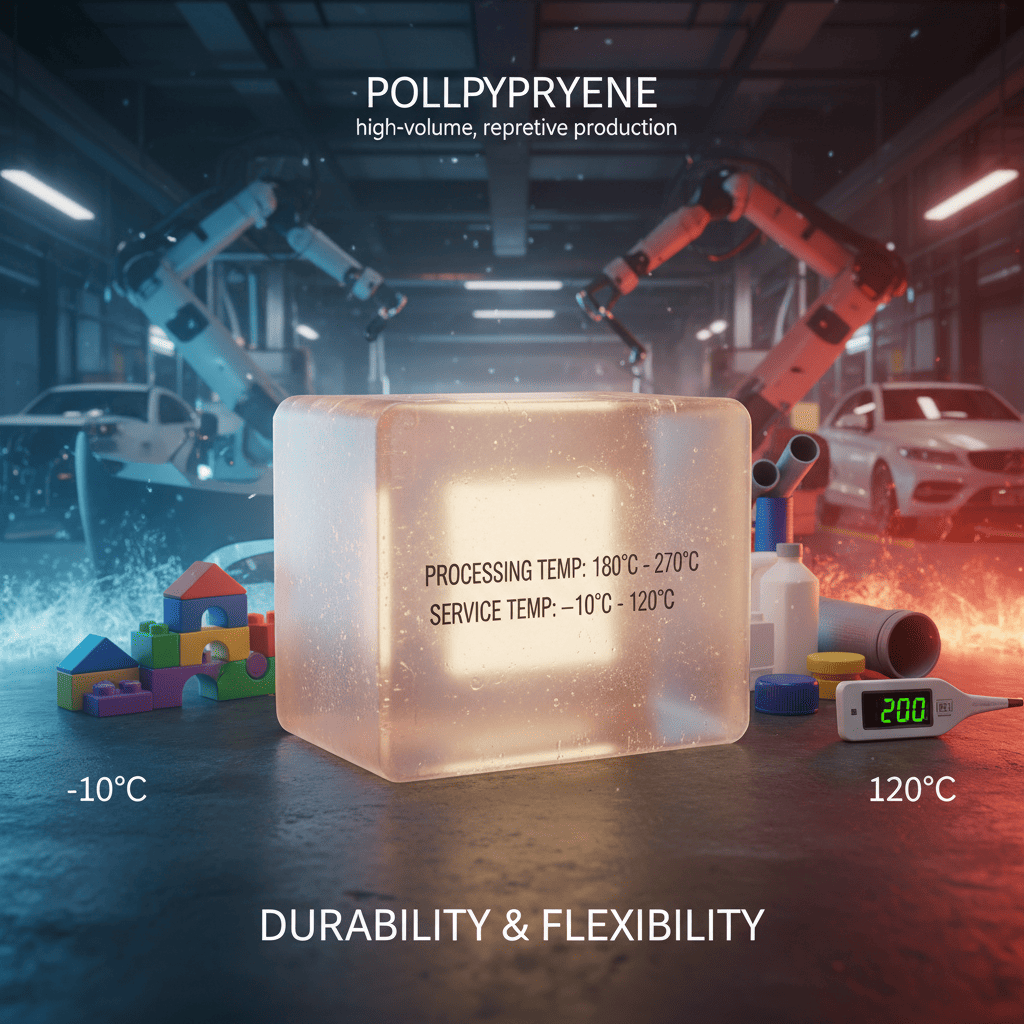

That's the quick answer. But the real magic is in the details. Knowing the specific limits for different types of PP and how to push them is what separates a good product from a great one. I've spent over 15 years in the custom molding industry, and I've seen firsthand how a deep understanding of material science can make or break a project. Let's dive deeper.
How hot does it get when molding polypropylene?
Planning your molding process? Getting the temperature wrong can lead to weak parts or production delays. Let's find the sweet spot for perfect polypropylene molding every time.
For successful molding, homopolymer PP2 needs a temperature of 200-270°C. Copolymer PP, often used for durable products like building blocks, requires a slightly lower range of 180-250°C. Sticking to these ranges ensures strong, well-formed parts and a smooth manufacturing process.
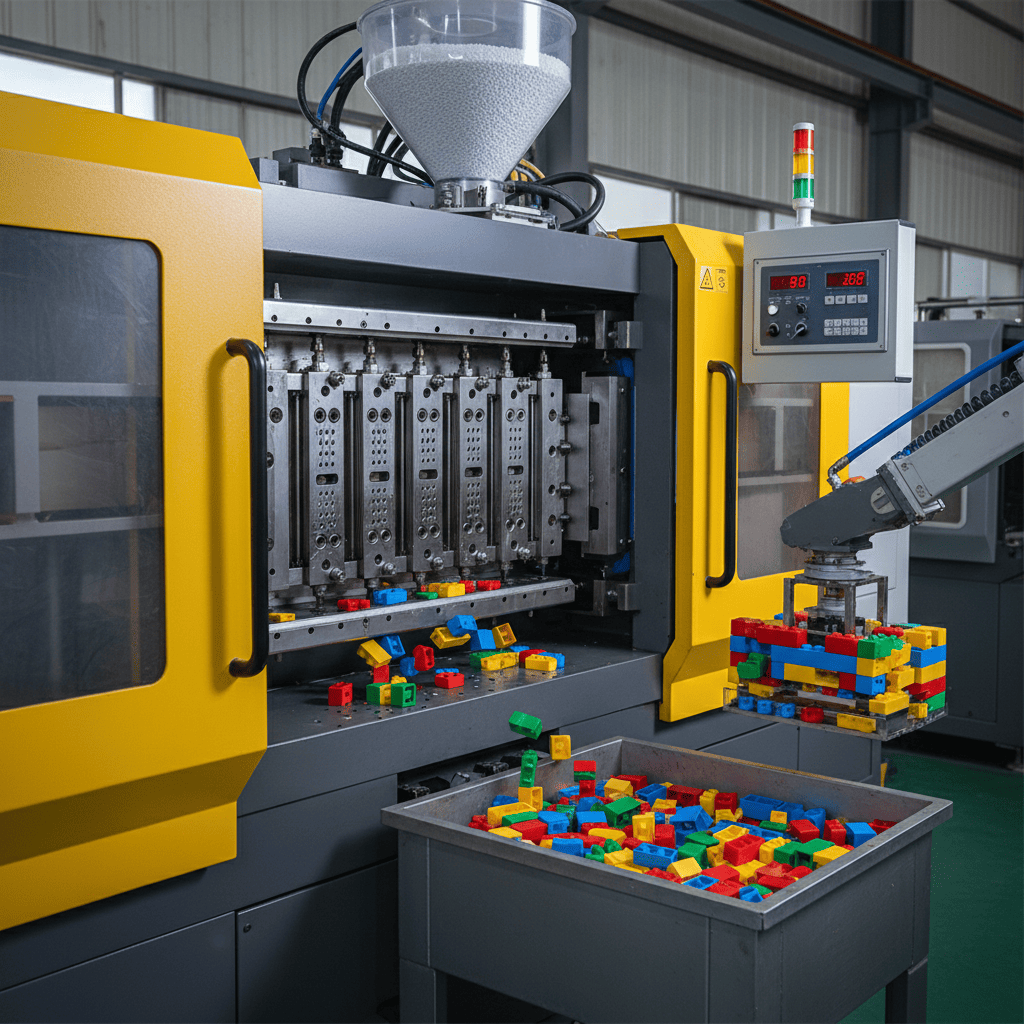
At my company, Ambition Industrial, we live by these numbers. The "processing window" is a critical concept in our work. It’s the specific temperature range where a plastic melts properly and flows smoothly into the mold cavity. If you go too low, the plastic won't fill the mold completely, resulting in incomplete parts. If you go too high, the material can degrade, becoming brittle and losing its strength. We work with two main types of PP, and their processing windows are different.
Homopolymer vs. Copolymer PP
Homopolymer PP is made from just one type of monomer, propylene. This makes it stiffer and gives it a higher melting point. That's why we process it in the 200-270°C range. It’s great for applications needing high rigidity. On the other hand, copolymer PP has other monomers, like ethylene, mixed in. These act as impact modifiers, making the material tougher and more flexible, especially at low temperatures. This added component lowers the required processing temperature to a wider window of 180-250°C. This is perfect for products like the educational building blocks3 we make for STEM toy developers, where durability is key.
| Property | Homopolymer PP | Copolymer PP |
|---|---|---|
| Processing Temp | 200-270°C | 180-250°C |
| Key Feature | High Stiffness | High Impact Strength |
| Common Use | Packaging, Textiles | Toys, Automotive Parts |
This difference is crucial for processes like injection molding4 and extrusion. We carefully set our machines to the exact temperature needed for the specific type of PP to guarantee every part meets our client's high standards.
Can polypropylene parts handle extreme hot and cold?
Designing a product for harsh environments? You need a plastic that won't crack in the cold or warp in the heat. Let's see how polypropylene stands up to the challenge.
Yes, polypropylene is quite resilient. It can be used continuously from about -10°C up to 120°C, with short peaks up to 130°C. Copolymer PP is better for cold, resisting brittleness down to -20°C, making it a reliable choice for diverse climates.
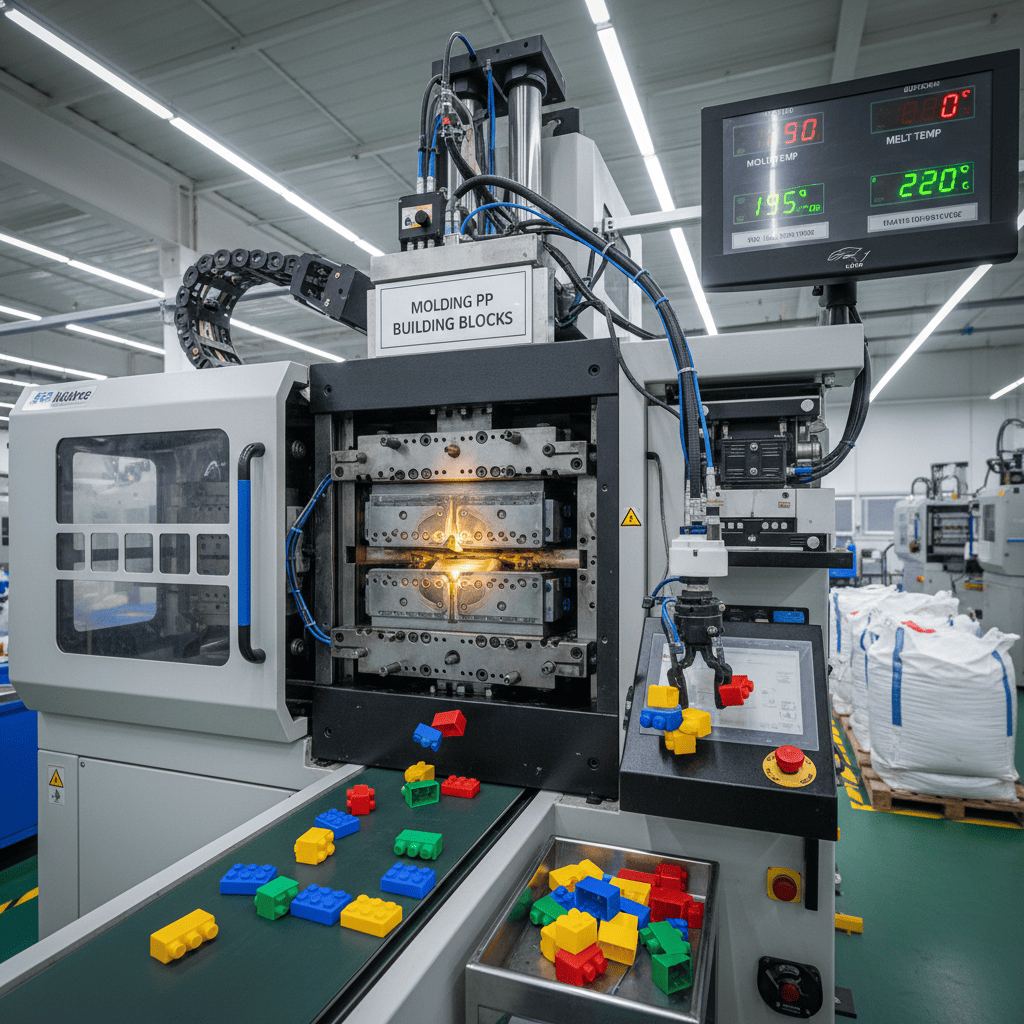
The long-term service temperature is what matters most for the end-user. This isn't about the quick, high heat of manufacturing; it's about the daily life of the product. I've worked on projects for automotive clients who need interior parts that can withstand a hot summer day and a freezing winter night. Polypropylene is often our first choice. The standard working range of -10°C to 120°C covers most situations. Think about a food container that goes from the fridge to the microwave—that's a perfect job for PP.
However, not all PP is created equal when it comes to cold. This is where the difference between homopolymer and copolymer becomes critical again.
Understanding Brittleness Temperature
Every plastic has a "brittleness temperature." Below this point, the material loses its flexibility and can easily crack or shatter if dropped or impacted.
- Homopolymer PP: Its brittleness temperature is around -10°C. This makes it less suitable for applications that will face deep freezes.
- Copolymer PP: Thanks to its built-in impact modifiers, its brittleness temperature is much lower, often below -20°C.
This is why we almost always recommend copolymer PP for clients developing products for outdoor use or for shipping to regions with cold winters. For a company that makes educational toys, for example, we know their products might be left in a cold car or garage. Using copolymer PP ensures the toys won't break, protecting the brand's reputation for quality. We help our clients choose the right material to prevent these kinds of failures before they ever happen.
At what temperature does polypropylene start to deform?
Are you designing a part that will bear a load? The plastic softening under heat is a major risk, causing parts to warp and fail. This is where a key threshold matters.
Polypropylene starts to deform under load at its Heat Deflection Temperature (HDT), which is typically between 60-100°C. This value changes based on the material's specific grade, its crystallinity, and if it has any fillers like glass fiber.
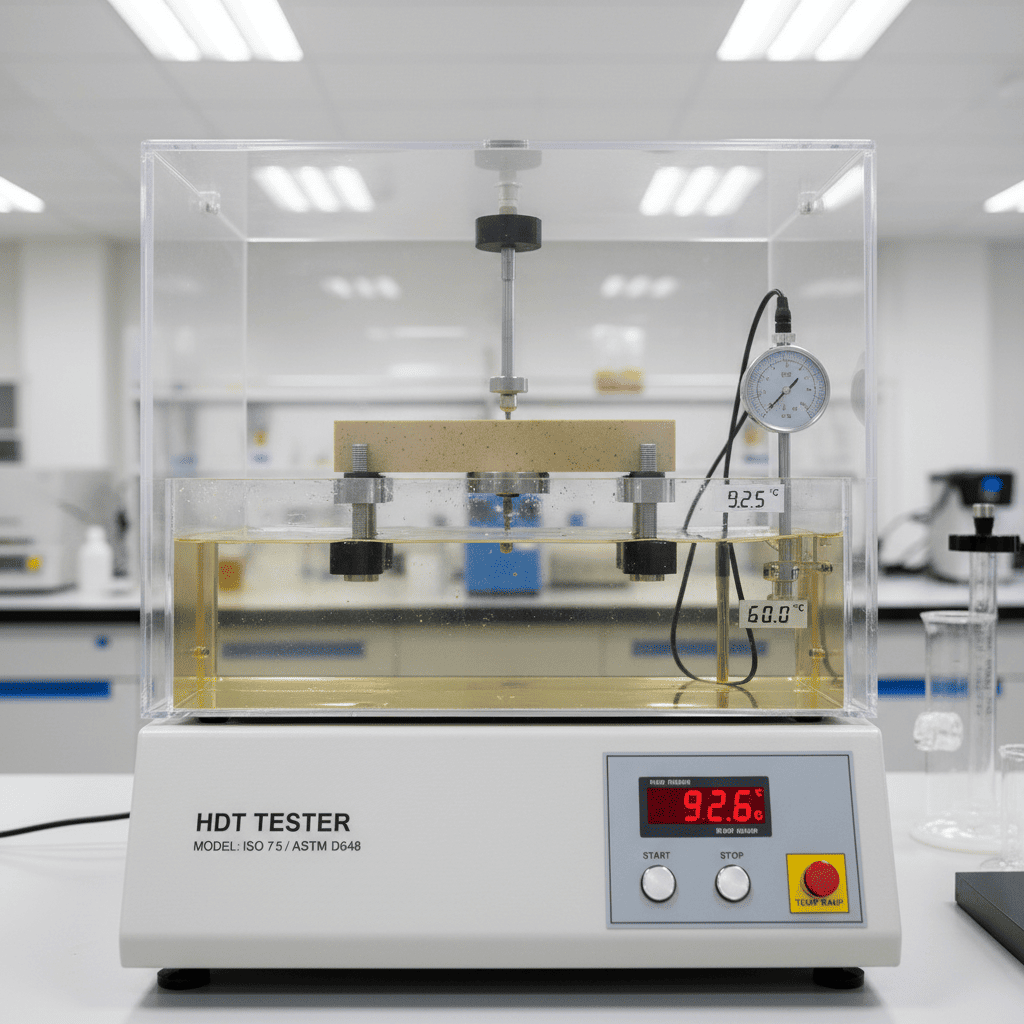
The Heat Deflection Temperature, or HDT, is a number I pay very close attention to. It's a practical measure of a material's short-term heat resistance under a specific load. It tells us at what temperature a plastic bar will start to bend when a weight is placed on it. This is extremely important for designing structural parts or components that will be near a heat source. For instance, in an automotive interior, a part on the dashboard will be under the sun's heat. Its HDT must be high enough to prevent it from sagging or losing its shape.
Factors Influencing HDT
The HDT of polypropylene isn't one fixed number. Several factors can change it, and we use this knowledge to help our clients get the performance they need.
- Crystallinity: PP is a semi-crystalline plastic. The more ordered and tightly packed its polymer chains are (higher crystallinity), the stiffer it is and the higher its HDT. We can influence this through mold temperature and cooling rates during production.
- Fillers and Reinforcements: Adding materials like talc or glass fibers5 significantly increases the HDT. The fillers act like a rigid skeleton within the plastic, helping it hold its shape at higher temperatures.
A standard, unfilled PP might have an HDT around 65°C under a load of 0.45 MPa. But by choosing a grade with higher crystallinity or adding a filler, we can easily push that value up towards 100°C. We once had a client developing a housing for an electronic device. The device generated some heat, and the initial prototype made with standard PP warped during testing. We solved the problem by switching to a talc-filled grade of PP, which raised the HDT and kept the housing perfectly stable. It’s this kind of detailed material knowledge that ensures a successful product.
How can you push polypropylene's temperature limits further?
What if the standard temperature range of polypropylene isn't enough for your project? You might think you need a more expensive material. But first, let's explore modifying PP.
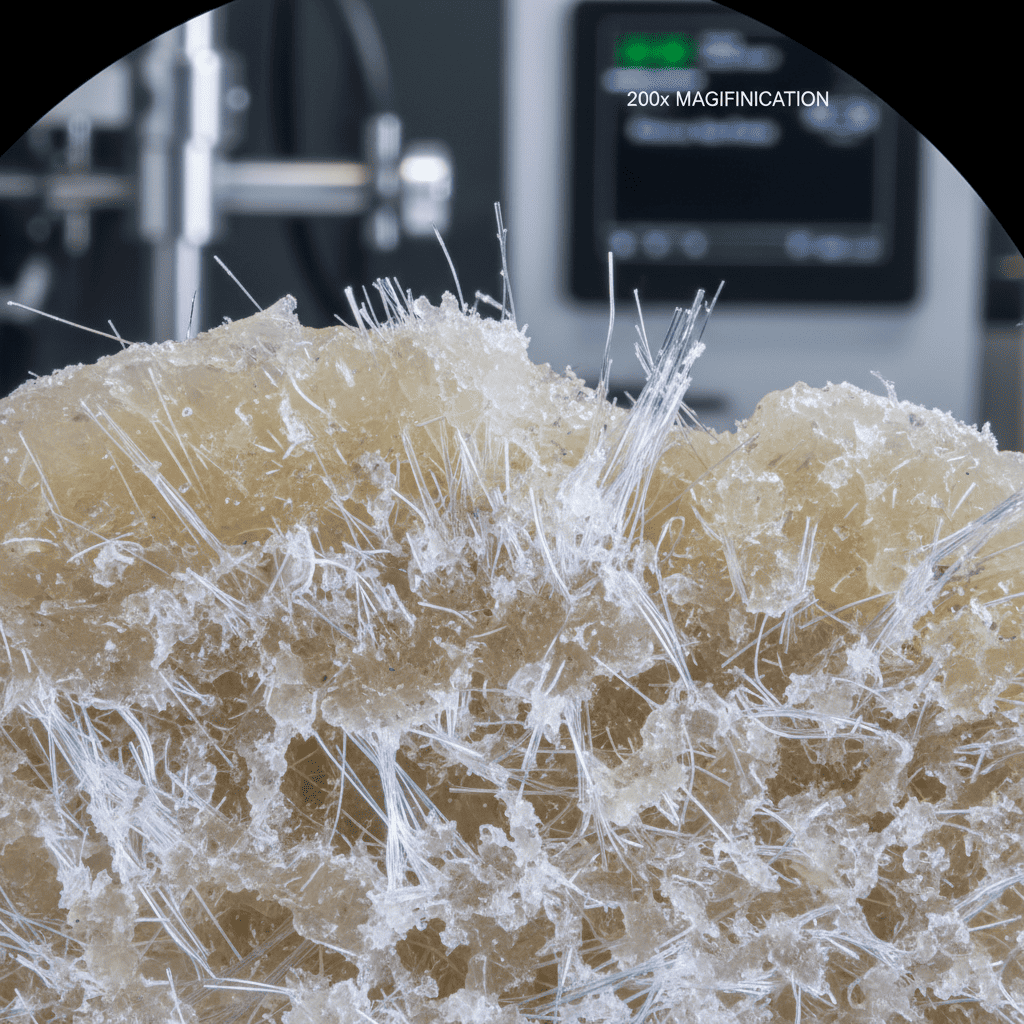
You can significantly extend polypropylene's temperature limits through modification. Adding glass fibers can raise its Heat Deflection Temperature to 150°C. Special low-temperature modifications can push its brittleness temperature down to an impressive -40°C, meeting demanding industrial requirements.
This is where plastic engineering gets really exciting. Standard PP is a fantastic and versatile material, but its modified versions open up a whole new world of possibilities. For our high-end clients in the automotive and home appliance sectors, standard materials often don't meet their strict performance criteria. They need parts that can handle more extreme conditions. Instead of jumping to a very expensive engineering plastic, we often find that a modified grade of PP is the perfect, cost-effective solution. This deep expertise in material modification is a core part of the value we offer at Ambition Industrial.
Pushing the Limits High and Low
We can modify PP to perform better at both ends of the temperature spectrum.
-
For High-Temperature Performance: The most common method is adding glass fibers. When we reinforce PP with 20-30% glass fiber, it transforms the material. The fibers provide incredible stiffness and prevent the plastic from deforming under heat. This can increase the HDT from around 100°C to over 150°C. This makes glass-fiber-reinforced PP suitable for under-the-hood automotive components or internal parts in appliances like washing machines and dishwashers.
-
For Low-Temperature Performance: To improve cold resistance, we use special impact modifiers. These are rubbery additives that are blended into the PP. They absorb impact energy, even at very low temperatures, and prevent cracks from forming. With the right modifications, we can lower the brittleness temperature from -20°C all the way down to -40°C. This is essential for products used in outdoor power equipment, recreational vehicles, or any application exposed to extreme cold.
This ability to customize the material properties allows us to tailor a solution perfectly to our client's needs, giving them a competitive edge in their market.
Conclusion
In short, polypropylene has a wide and useful temperature range, but its true strength lies in its versatility. Understanding and using modified grades unlocks its full potential for any project.
Discover how polypropylene is utilized in automotive parts for its durability and heat resistance. ↩
Learning about homopolymer PP can help you choose the right material for applications requiring high rigidity. ↩
Understanding its application in educational toys showcases polypropylene's versatility and safety. ↩
Understanding its role in injection molding can help you optimize production processes for polypropylene parts. ↩
Discover how glass fibers can enhance polypropylene's performance, especially in high-temperature applications. ↩