跳到内容
跳到内容 

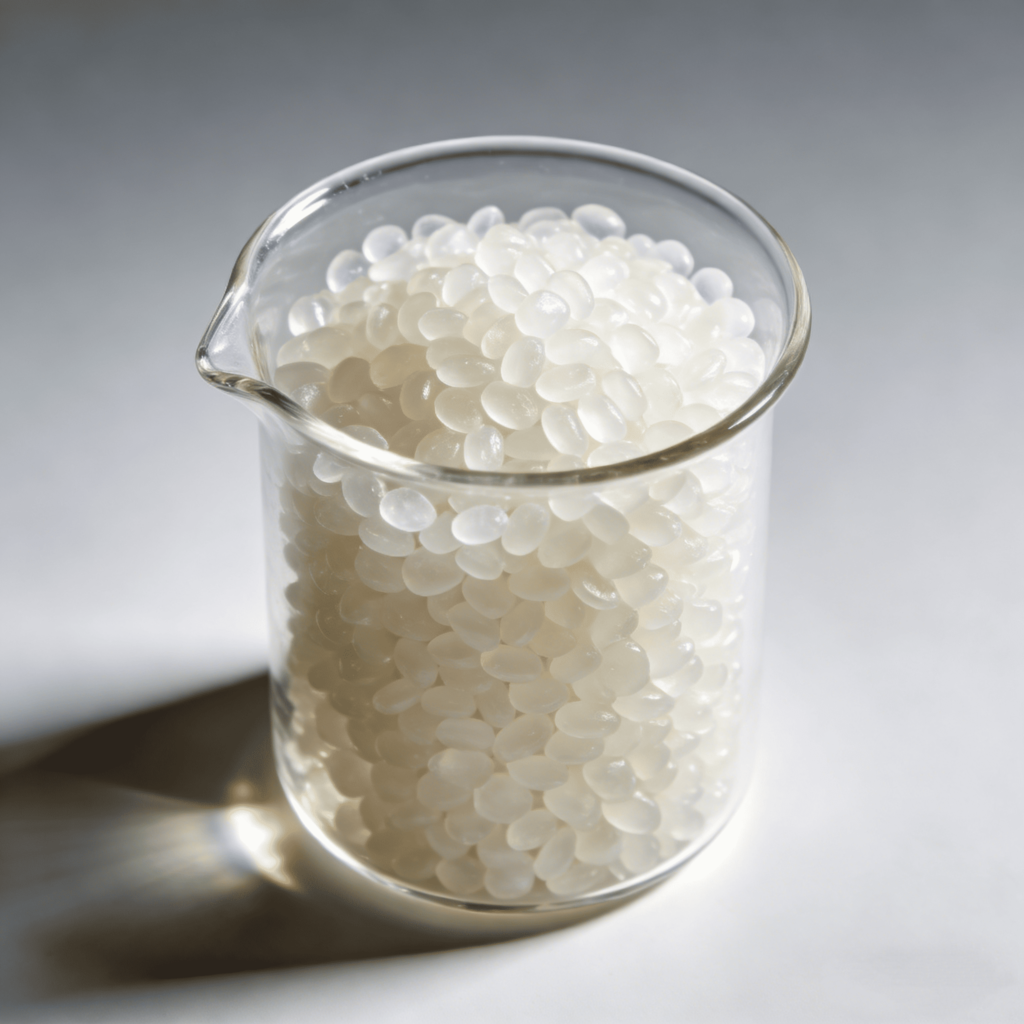
Are you struggling to classify TPE for your project? Choosing the wrong material can lead to poor performance and costly rework. The answer isn't as simple as one or the other.
TPE, or Thermoplastic Elastomer, is a unique class of polymer. It is not strictly a plastic or a rubber. Instead, it combines the easy, fast processing of thermoplastics with the soft, flexible nature of thermoset rubbers, creating a powerful hybrid material.

This unique identity can be confusing at first. I remember working with a client on a new educational toy. They needed a material that was soft and safe for kids, like rubber, but could also be molded into complex shapes efficiently, like plastic. They were stuck trying to decide between the two, not realizing there was a material that did both. Understanding TPE's true nature unlocked their design potential and streamlined production. It’s a bridge between two worlds, and knowing how to cross it is key.
Let's explore what really sets TPE apart from traditional plastics and rubbers.
What makes TPE's molecular structure so special?
Stuck between rigid plastic and hard-to-process rubber? This design limitation can compromise your product's feel and function. TPE’s internal structure solves this by blending properties at a molecular level.
TPE's magic lies in its block copolymer structure. It contains "hard" thermoplastic segments that provide strength and processability, and "soft" elastomeric segments that deliver rubber-like flexibility. These segments create a physical, reversible bond that defines its unique character.

To really grasp this, you have to think about how different materials get their properties. Traditional plastics are typically made of long polymer chains that are either linear or branched. They flow when heated and become solid when cooled, but they lack the organized structure needed for true elasticity. On the other hand, conventional rubber undergoes a chemical process called vulcanization. This creates strong, irreversible cross-links between polymer chains, giving it great elasticity but making it impossible to re-melt and re-mold.
TPE breaks this mold.
The Hard and Soft Segments
Inside TPE, the "hard" segments (like polystyrene) cluster together at room temperature to form rigid domains. These act like physical cross-links, holding the material together and giving it strength. The "soft" segments (like butadiene) are rubbery chains that are free to move, which gives the material its flexibility and bounce. When you heat TPE, the hard domains soften and flow, allowing it to be injection molded just like plastic. As it cools, they reform, locking the shape in place. This process is completely reversible.
| Feature | Conventional Plastic | Vulcanized Rubber | Thermoplastic Elastomer (TPE) |
|---|---|---|---|
| Polymer Chains | Linear or branched | Chemically cross-linked (irreversible) | Physically cross-linked (reversible) |
| Structure | Amorphous or semi-crystalline | 3D network | "Hard" and "Soft" segments |
| Behavior at High Temp | Melts and flows | Does not melt, degrades | Melts and flows |
This structural design is not just clever chemistry; it's a practical solution that gives us a material that processes like plastic but behaves like rubber.
How is TPE processed differently from rubber?
Using traditional rubber often means long cycle times and wasted material that you can't reuse. This inefficiency drives up costs and slows down production, creating major headaches for project managers.
TPE is processed using standard thermoplastic methods like injection molding and extrusion. Unlike rubber, it requires no vulcanization, drastically cutting cycle times from minutes or hours down to seconds. Plus, any scrap or defective parts can be fully recycled back into the production line.

I've been in our factory in Dongguan countless times watching both processes, and the difference is night and day. Processing rubber is a multi-step, labor-intensive affair. You have to mix the compounds, pre-form the material, and then place it in a mold for a long curing (vulcanization) cycle under heat and pressure. It can take several minutes, sometimes even up to an hour, for a single cycle. Once cured, that's it. Any excess material or rejected parts are waste.
TPE completely changes this workflow.
The Thermoplastic Advantage
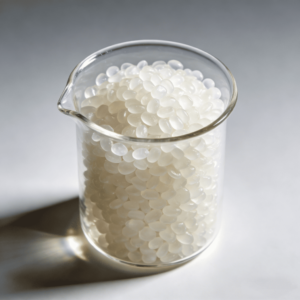
We treat TPE just like any other thermoplastic, such as ABS or PP. We feed the raw pellets directly into an injection molding machine. The machine heats the material until it melts, injects it into a mold, and cools it. The entire cycle often takes less than a minute. This speed and efficiency are game-changers for high-volume production. When we worked on a set of automotive interior components for a European client, switching from a thermoset rubber to a TPE for the seals cut their production time by over 70% and reduced material waste to almost zero.
Key Processing Differences
- Curing Step: TPE has no curing step. It simply melts and solidifies. Rubber requires chemical vulcanization.
- Cycle Time: TPE cycle times are measured in seconds. Rubber cycle times are measured in minutes.
- Recyclability: TPE scrap is 100% recyclable. Cured rubber scrap is waste.
- Energy Consumption: The faster cycles and lack of a long curing stage mean processing TPE is generally more energy-efficient.
This "process like plastic, perform like rubber" paradigm is the core reason TPE has become so valuable in modern manufacturing. It delivers the performance you need without the production bottlenecks of rubber.
Where does TPE fit in the performance spectrum?
Are your product designs limited by a material gap? Plastic is too rigid and brittle, while rubber lacks hardness variety and weather resistance. This forces you into compromises that hurt performance.
TPE perfectly fills the performance gap between plastics and rubbers. It offers a vast hardness range (from ultra-soft 0 Shore A to semi-rigid 90 Shore A), excellent elasticity up to 1000%, and superior weather and chemical resistance compared to many traditional rubbers.

For years at Ambition Industrial, we’ve helped clients navigate this very problem. They come to us with a need that standard materials can't quite meet. For instance, a cosmetics brand needed a soft-touch applicator that was also durable and could be precisely overmolded onto a PP handle. A standard rubber was too difficult to process in a two-shot mold, and a soft plastic didn't feel premium enough. TPE was the perfect solution, providing the exact tactile feel, durability, and processing ease they required.
A Balance of Properties
TPE isn't just a middle ground; it's a customizable platform. Think of it as a spectrum where you can dial in the exact properties you need.
- Hardness & Flexibility: While most plastics are hard (above 70 Shore D) and rubbers are typically soft (between 30-90 Shore A), TPE spans this entire range and more. You can have a TPE that feels like soft gel or one that is firm and structural.
- Elasticity: TPEs exhibit excellent elastic recovery and can be stretched multiple times their original length without permanent deformation, much like rubber. Many plastics will permanently deform or break under similar strain.
- Durability & Resistance: TPEs often have better UV, ozone, and chemical resistance than natural rubber. They also have a wide service temperature range, typically from -50°C to 150°C, performing reliably in conditions where other materials might fail.
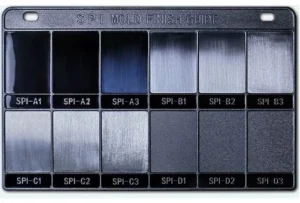
- Aesthetics: Unlike many rubbers, TPEs are very easy to color. We can achieve vibrant, consistent colors to match any brand identity, and their surface finish can be tailored from matte to glossy.
By bridging this gap, TPE provides a level of design freedom that was previously unattainable, allowing for more innovative and higher-performing products.
So, should I use TPE instead of plastic or rubber?
Choosing the right material feels like a huge decision. You don't want to replace a trusted material like plastic or rubber only to find the alternative doesn't deliver on its promises.
TPE isn't about replacing plastic or rubber entirely. It’s about using TPE as a strategic upgrade or functional substitute where it offers a distinct advantage in performance, processing efficiency, or both. The choice depends entirely on your specific application needs.

The best way to think about this is to ask: "What problem am I trying to solve?" Over my 15 years in custom manufacturing, I've seen TPE succeed when it's used with clear intent. It's not a universal "better" material; it's a problem-solver. It serves as a functional upgrade, not just another option on a list. Its value is highest when you need to combine properties that are typically exclusive to either plastics or rubbers.
Let's look at the decision-making process.
When to Replace Plastic with TPE:
You should consider TPE when your plastic part needs improved ergonomics or functionality.
- To add a soft, comfortable grip: Think power tool handles, toothbrush grips, or electronic device casings.
- To create a flexible hinge or bellow: TPE offers excellent flex-fatigue resistance where a plastic hinge would eventually break.
- To improve impact absorption: TPE can provide a protective layer over a rigid plastic housing.
When to Replace Rubber with TPE:
You should consider TPE when your rubber part is causing production bottlenecks or needs better aesthetics.
- To significantly increase production speed: For parts like seals, gaskets, or grommets, switching to TPE can slash cycle times.
- To enable complex designs or overmolding: TPE’s thermoplastic nature makes it ideal for intricate two-shot molding processes that are difficult with rubber.
- To improve colorability and aesthetics: When you need a part in a specific, vibrant brand color, TPE is far easier to work with than most rubbers.
The decision is about finding the sweet spot where TPE's unique blend of processability and performance solves a specific design challenge more effectively than the traditional options.
Conclusion
In short, TPE is a distinct class of material. It merges the easy processing of plastic with the versatile elasticity of rubber, creating a powerful solution for modern manufacturing challenges.