
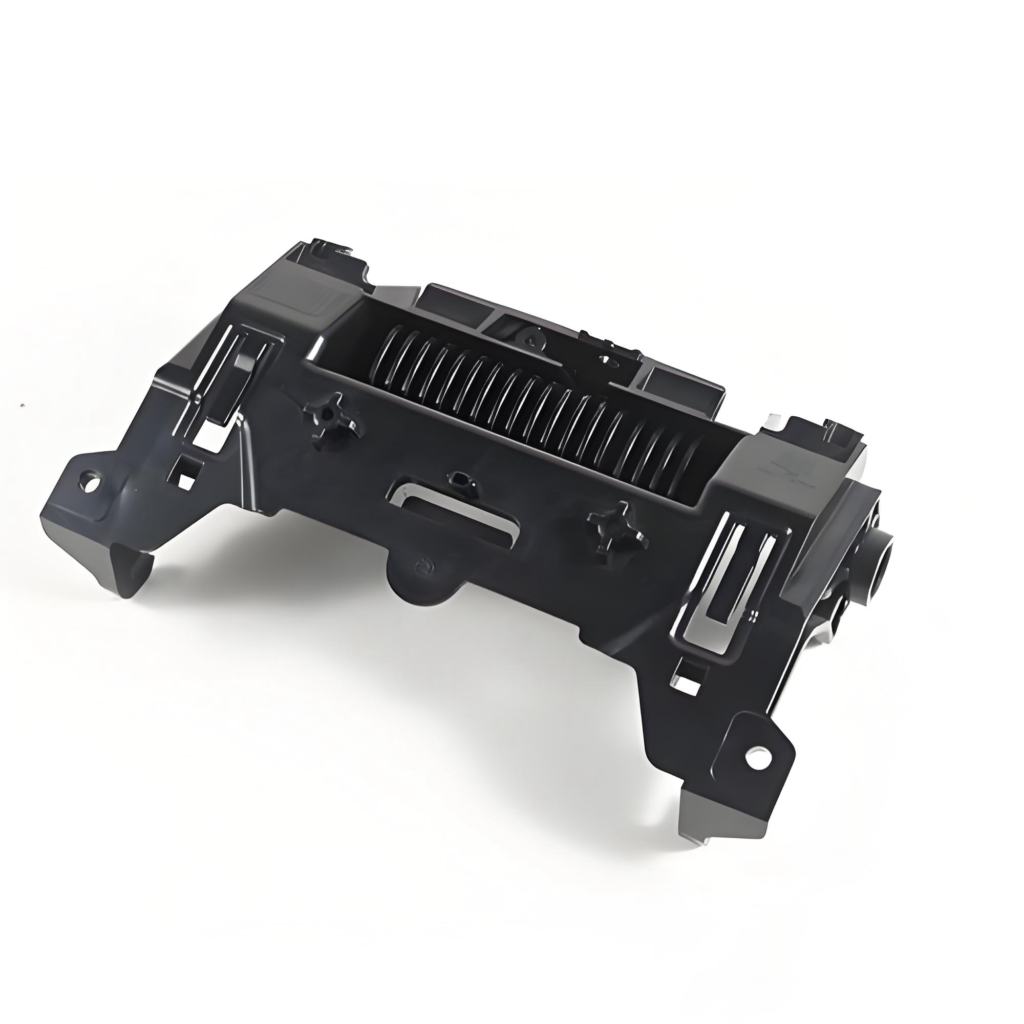
Struggling with inconsistent automotive parts? These failures can lead to costly recalls and damage your brand's reputation. A robust quality control system1 is essential for protecting your business.
To ensure quality, you must start with the right materials and precise molds. Then, you control the injection process with real-time data, conduct thorough inspections, and maintain a complete traceability system. This multi-layered approach guarantees consistency and reliability for every single part.
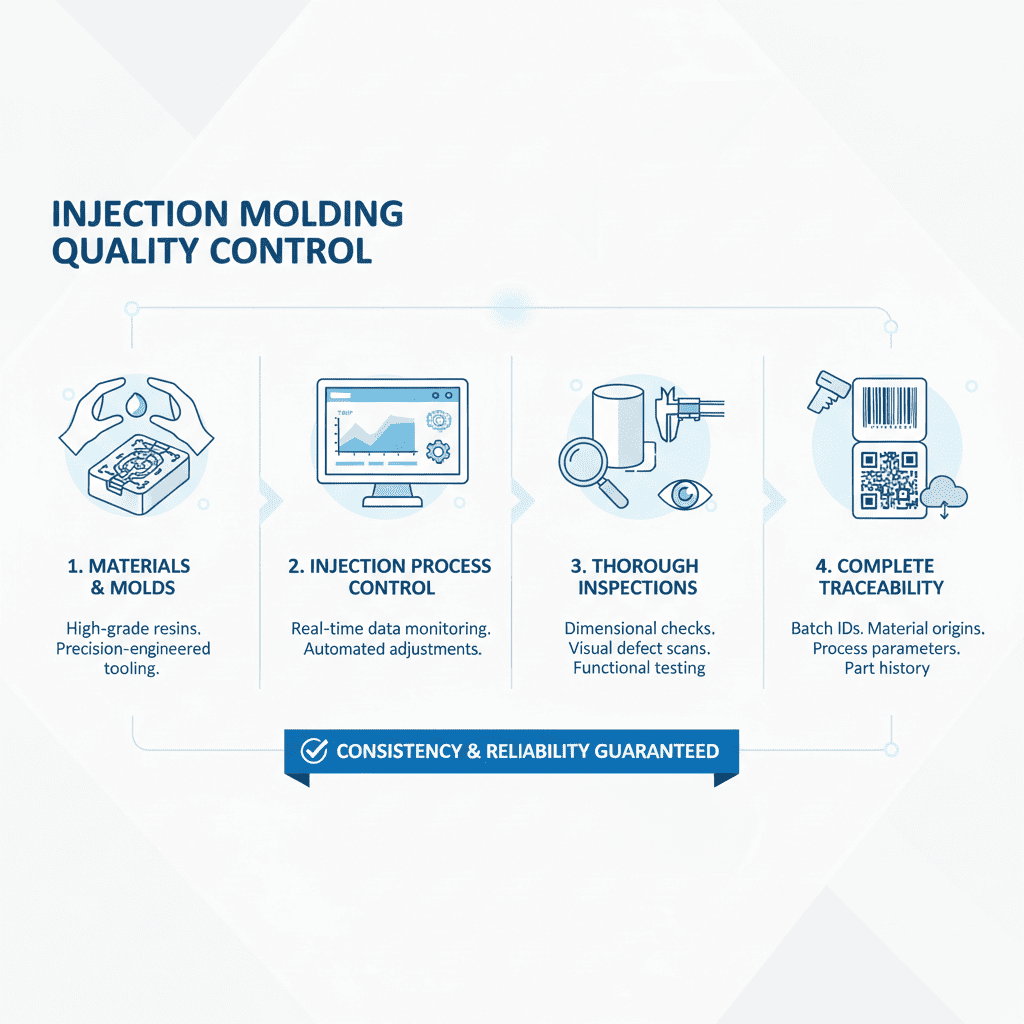

Getting quality right every time isn't magic. It's about having a systematic, almost obsessive, approach. I've been in the custom molding business for over 15 years at Ambition Industrial, and I've seen firsthand how tiny oversights can snowball into massive failures. It all comes down to controlling every variable. Let’s break down the essential steps we take to make sure your automotive parts meet the highest standards, from the first piece to the last.
Does quality begin with the right materials and a perfect mold?
Using the wrong plastic can make a part fail in extreme heat or on impact. A poorly designed mold creates endless defects. This is a recipe for disaster.
Absolutely. The process starts with selecting the right engineering plastic2, like PA66 with glass fiber, for the part's specific job. Then, you must use a perfectly optimized and maintained mold. These two foundational elements prevent the most common and costly defects from ever happening.
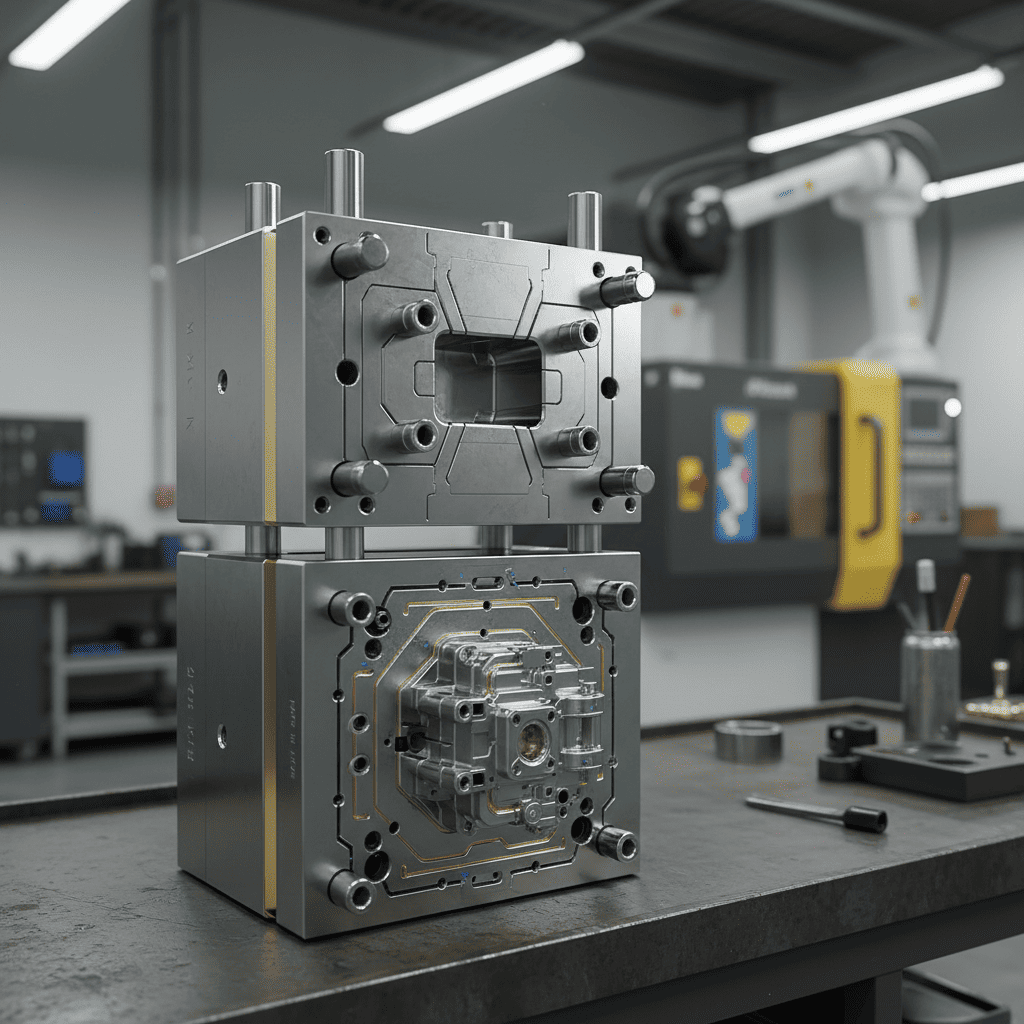
Everything starts here. You can't build a strong house on a weak foundation. In my experience, over half of all quality issues can be traced back to a problem with either the material or the mold itself. That's why we are so strict about these two areas.
Choosing and Preparing the Right Material
First, we look at the part's final use. A dashboard component needs to resist UV light and high temperatures, while a bumper part needs high impact strength. We help clients select the right engineering plastic, like PC/ABS for interior trim or PA66 with glass fiber for engine components. We only source materials from suppliers who provide compliance documents for RoHS and REACH standards. Before a single pellet enters the machine, it must be properly prepared. Most engineering plastics absorb moisture, which can cause defects. We follow strict drying protocols to ensure the material is perfect for molding.
Optimizing and Maintaining the Mold
Next is the mold. A mold is more than just a cavity; it's a complex piece of engineering. We use CAE software to simulate how the plastic will flow into the mold. This helps us optimize the runner and cooling systems3, ensuring the plastic fills the cavity evenly and cools at the right rate. This prevents problems like sink marks or warping. Before any production run, we check the mold's precision. During production, we have a strict maintenance schedule to check for wear and tear, especially in the cavity and on the hot runner seals. This proactive approach stops issues like flashing before they start.
| Stage | Key Action | Why It's Important |
|---|---|---|
| Material Selection | Match plastic to the part's working conditions. | Ensures durability, heat resistance, and safety. |
| Material Prep | Strictly control drying and mixing processes. | Prevents defects caused by moisture or impurities. |
| Mold Design | Use CAE simulation to optimize flow and cooling. | Guarantees uniform part filling and reduces stress. |
| Mold Maintenance | Regularly inspect and service the mold. | Avoids flash, sink marks, and dimensional errors. |
How can you lock in consistency during mass production?
You've approved the perfect sample, but then the quality of the mass-produced parts varies. This inconsistency can ruin your production schedule and your budget. The key is strict process control.
You lock in consistency by defining and monitoring key process parameters like temperature, pressure, and holding time. We use IoT sensors for real-time tracking and Statistical Process Control (SPC) to catch any deviations. This data-driven, closed-loop system ensures every part is identical.
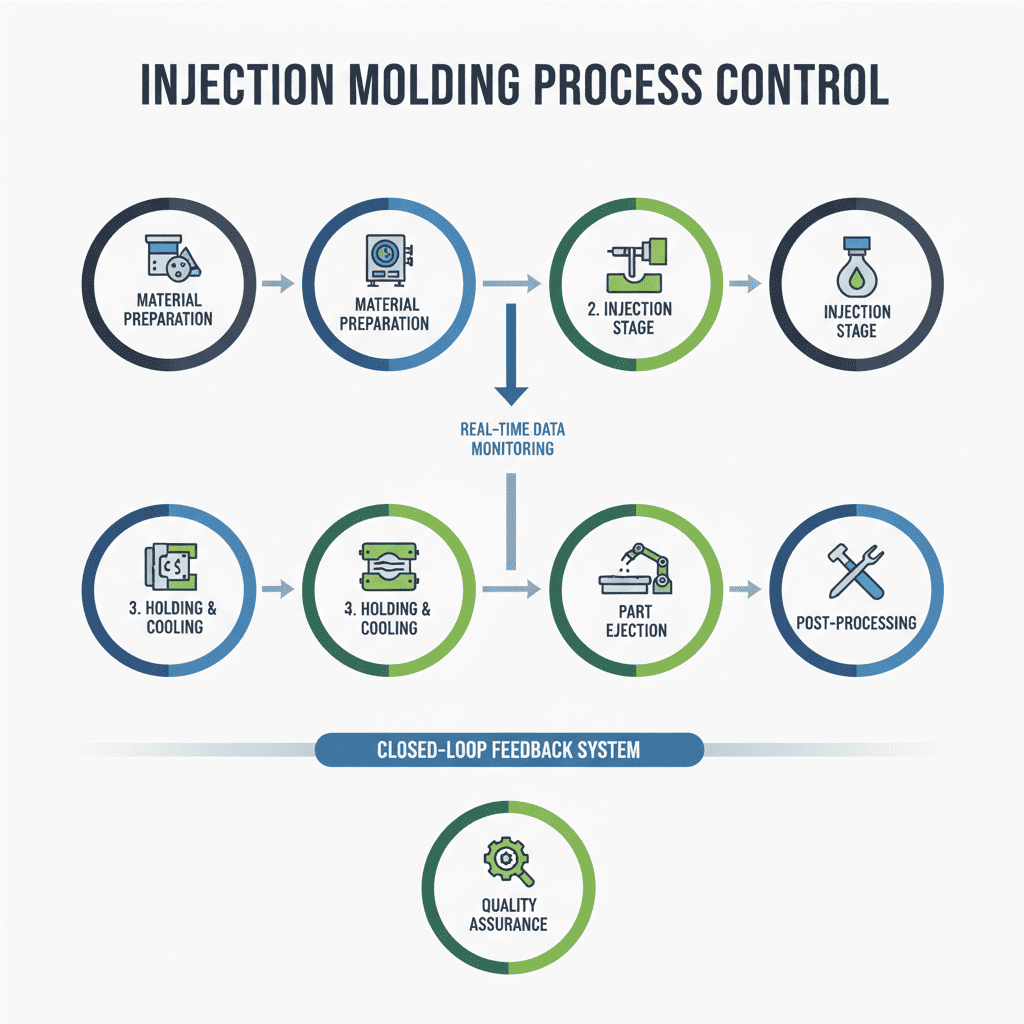
A golden sample is useless if you can't replicate it thousands of times. The secret to mass production consistency isn't just a good machine; it's a controlled process that doesn't drift. I remember a project with an automotive client where a tiny, undocumented change in pressure by a machine operator caused a whole batch to fail our stress tests. After that, we implemented a system where key parameters are locked and can only be changed with authorization. This level of control is not optional; it's essential for the automotive industry.
Solidifying the Process Parameters
Once we have a perfect sample, we document every single parameter used to create it. This becomes the "master recipe." The key parameters include:
- Melt Temperature: The temperature of the plastic as it's injected.
- Injection Pressure & Speed: How fast and with how much force the plastic enters the mold.
- Holding Pressure & Time: The pressure applied after filling to prevent sink marks.
- Cooling Time: The time the part spends in the mold to solidify properly.
These parameters are locked into the machine's control system for the entire production run.
Real-Time Monitoring and Statistical Control
We don't just "set it and forget it." We use IoT sensors on our machines to monitor these parameters in real time. The data is fed into a central system. We also use Statistical Process Control (SPC). This means we regularly measure critical dimensions of the parts coming off the line and plot them on a control chart. This chart shows us if the process is stable or if it's starting to drift out of spec. If we see a trend heading toward a tolerance limit, we can make a small adjustment to the process before we start making bad parts. This proactive approach is a core part of the IATF 169494 quality standard and is crucial for zero-defect manufacturing.
Why is testing and tracking every single part non-negotiable?
A hidden defect in a single component can lead to a system failure in a vehicle. Not knowing where that part came from makes a recall a massive, expensive nightmare.
Testing at every stage—from the first part to random samples—confirms quality, while a full traceability system links each part back to its raw materials, machine, and production data. This is non-negotiable for safety, accountability, and quick problem resolution in the automotive industry.
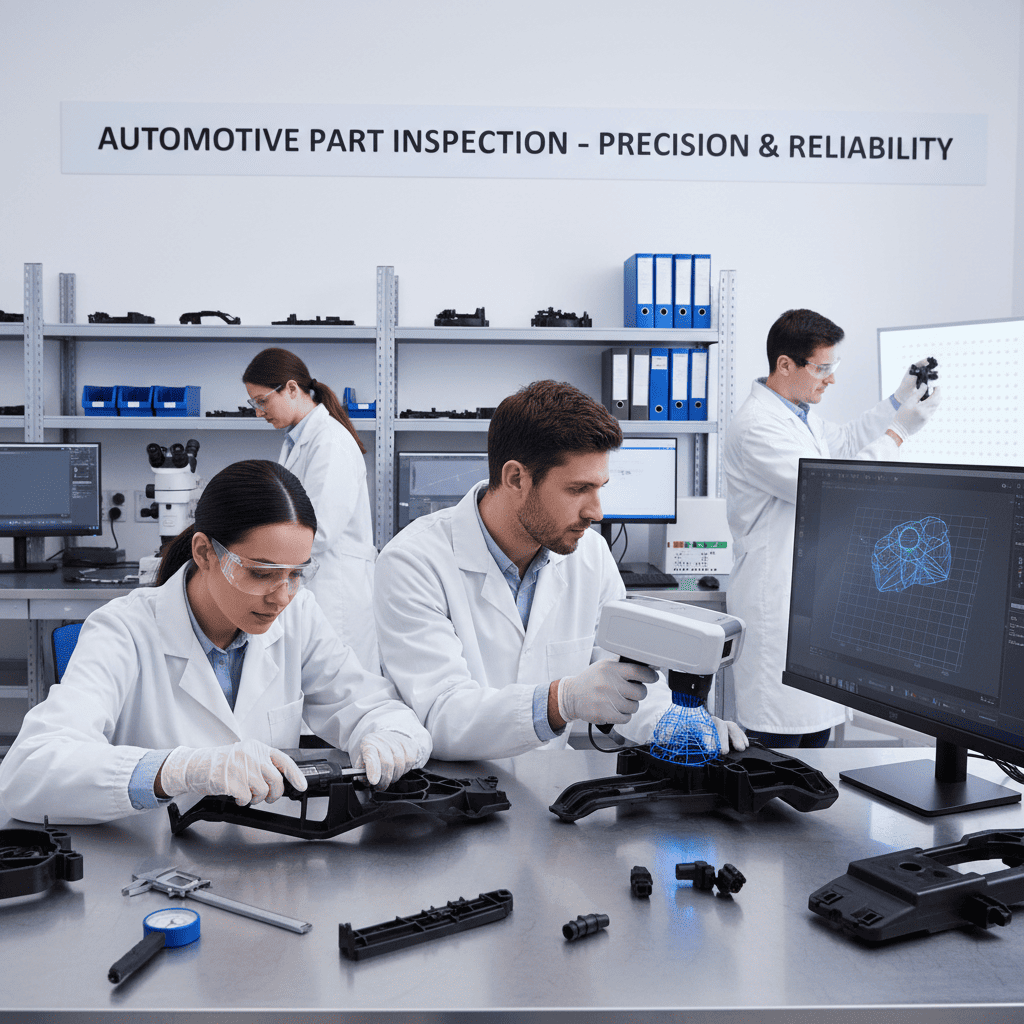
In the automotive world, you are accountable for every single component you produce. There is no room for error. That's why we treat inspection and traceability with the same importance as the molding process itself. We had a client who received a complaint about a part failing in the field. Because of our traceability system, we were able to pull up the exact production date, the material batch number, the mold used, and all the process data within minutes. We quickly identified that the issue was isolated to a single batch of raw material and helped our client avoid a much larger recall. This is why a paper trail is just as important as the physical part.
A Multi-Layered Inspection Strategy
We believe in catching problems as early as possible.
- First Article Inspection: The very first part off the line goes through a three-way check. The machine operator does a self-check, a colleague does a mutual check, and a dedicated quality inspector does a final, professional check. No production begins until this part is perfect.
- In-Process Inspection: During the run, we use automated machine vision systems5 to check 100% of parts for cosmetic defects and critical dimensions right on the production line.
- Final Quality Control: We take random samples from the finished batch and conduct more intensive tests. These can include mechanical strength tests, environmental aging tests (to simulate years of use), and fitment tests with other components.
Full-Chain Traceability
Every box of parts that leaves our factory has a unique batch code6. This code is our key. It links to a database that contains all the information about its production:
- The exact batch number of the raw plastic used.
- The specific mold and machine it was produced on.
- A complete log of the process parameters during its production time.
- Records of all quality checks performed.
If a problem ever arises, we can use this code to trace the issue back to its root cause instantly. This system provides complete accountability and is essential for meeting the strict requirements of automotive clients and standards like IATF 16949.
Conclusion
Ensuring automotive part quality requires a strict, five-step process: precise material selection, mold optimization, closed-loop process control, comprehensive testing, and full traceability. This is the only way to guarantee safety.
Explore how a strong quality control system can protect your brand and reduce costly recalls. ↩
Learn about the most suitable engineering plastics that ensure durability and performance in automotive applications. ↩
Learn how optimized cooling systems can prevent defects like sink marks and warping. ↩
Find out how IATF 16949 standards ensure quality and safety in the automotive industry. ↩
Discover how machine vision systems enhance inspection processes and ensure defect-free parts. ↩
Learn how batch codes provide traceability and accountability in production. ↩