跳到内容
跳到内容 


Finding the right molding partner is tough. A bad choice means delays and quality issues. I'll guide you through the key steps to find a reliable supplier.
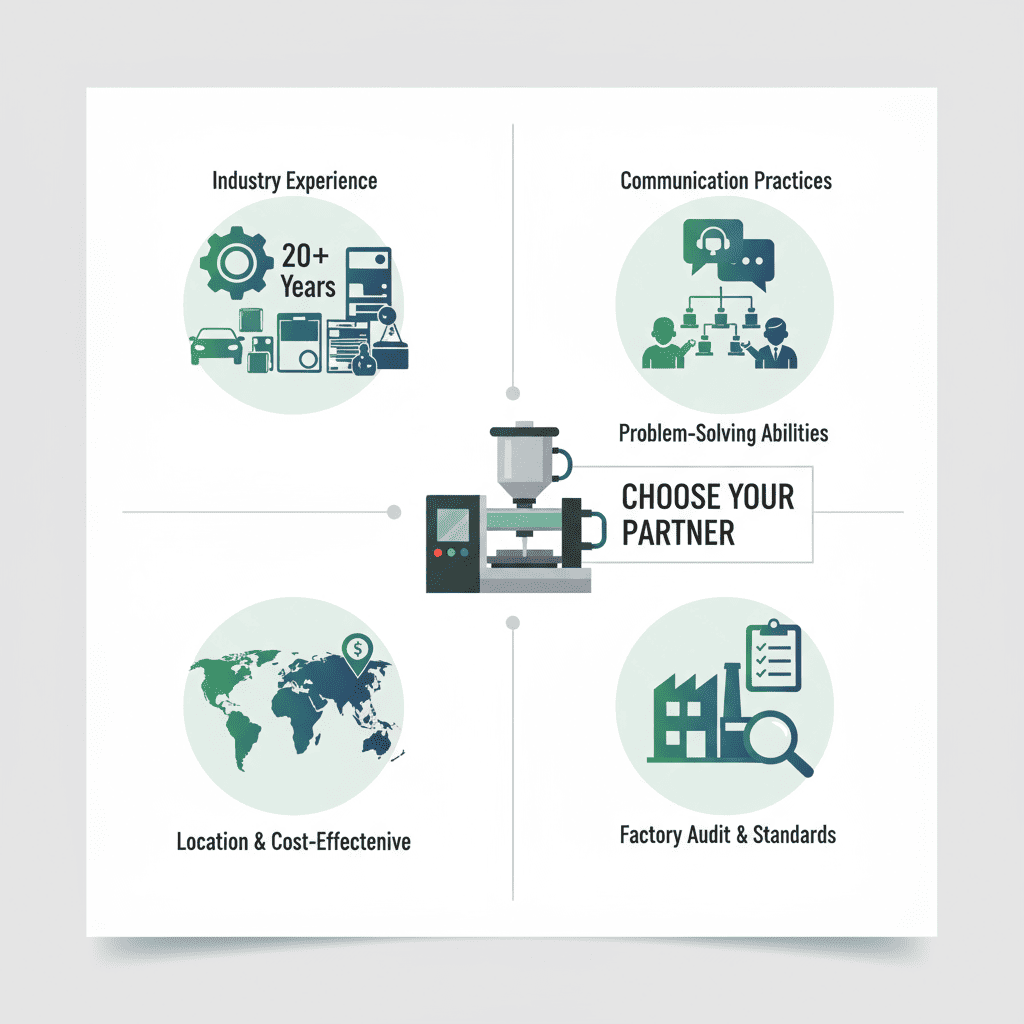
To choose a custom plastic injection molding service1, evaluate their industry experience, communication practices, and problem-solving abilities. Also, consider their location for cost-effectiveness and conduct a factory audit2 for new partners to ensure they meet your standards.
This decision can make or break your project. I’ve spent 15 years in this industry and have seen it all. I want to share my hard-earned lessons with you. So, how do you start your search? Let's break it down.
Where can you find the most cost-effective molding services?
You need high-quality molds without breaking the budget. Sourcing locally can be expensive. Many global companies find the best balance of cost and quality in China.
The most cost-effective and reliable custom plastic injection molding services are often found in China. The country has a mature supply chain3, skilled labor, and advanced manufacturing infrastructure4 that provides high-quality results at a competitive price point, offering the best overall value.
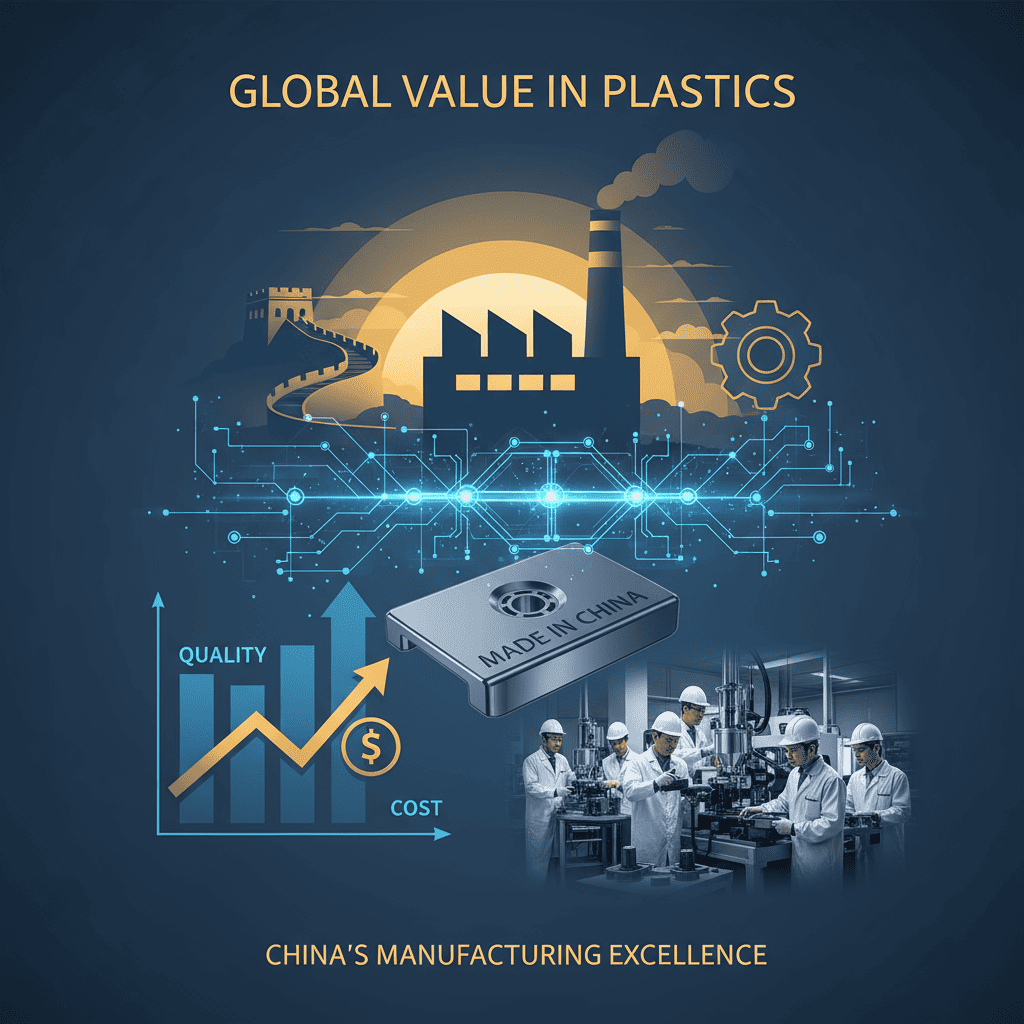
The world is full of suppliers, but not all are created equal. As a project manager for a STEM toy company, our CEO once tasked me with finding a new molding partner. My initial search included suppliers from Europe, North America, and Asia. The price differences were huge. European suppliers were precise but very expensive. Some suppliers in other regions were cheap, but their quality samples were inconsistent. China, specifically areas like Dongguan, hit the sweet spot. We found manufacturers like ourselves who have invested heavily in technology and training. This allows us to deliver world-class quality without the premium price tag. The key is to find a partner who understands international standards and has a proven track record. It's not just about the lowest price; it's about the best value.
Key Factors for Global Sourcing
| Factor | Why It's Important | What to Look For |
|---|---|---|
| Cost | Direct impact on your product's profitability. | A balance of mold cost, labor, and material expenses. |
| Quality | Determines product performance and brand reputation. | ISO certifications, quality control reports, client reviews. |
| Supply Chain | A mature supply chain reduces delays and material sourcing issues. | Proximity to raw material suppliers and shipping ports. |
| Experience | Experienced manufacturers can foresee problems and offer better solutions. | A long history of exporting to your target market. |
Choosing a Chinese manufacturer gave our client access to a complete ecosystem that supported their project from concept to mass production, ultimately saving them time and money.
Does industry-specific experience really matter in a mold maker?
Your product is unique, with specific materials and functional needs. A generic mold maker might not understand these details. Choosing a specialist avoids costly design flaws and production errors.
Yes, industry-specific experience is critical. A manufacturer familiar with your industry, such as automotive or educational toys, will understand the specific material requirements, functional challenges, and quality standards. This expertise prevents common mistakes and ensures a better final product.
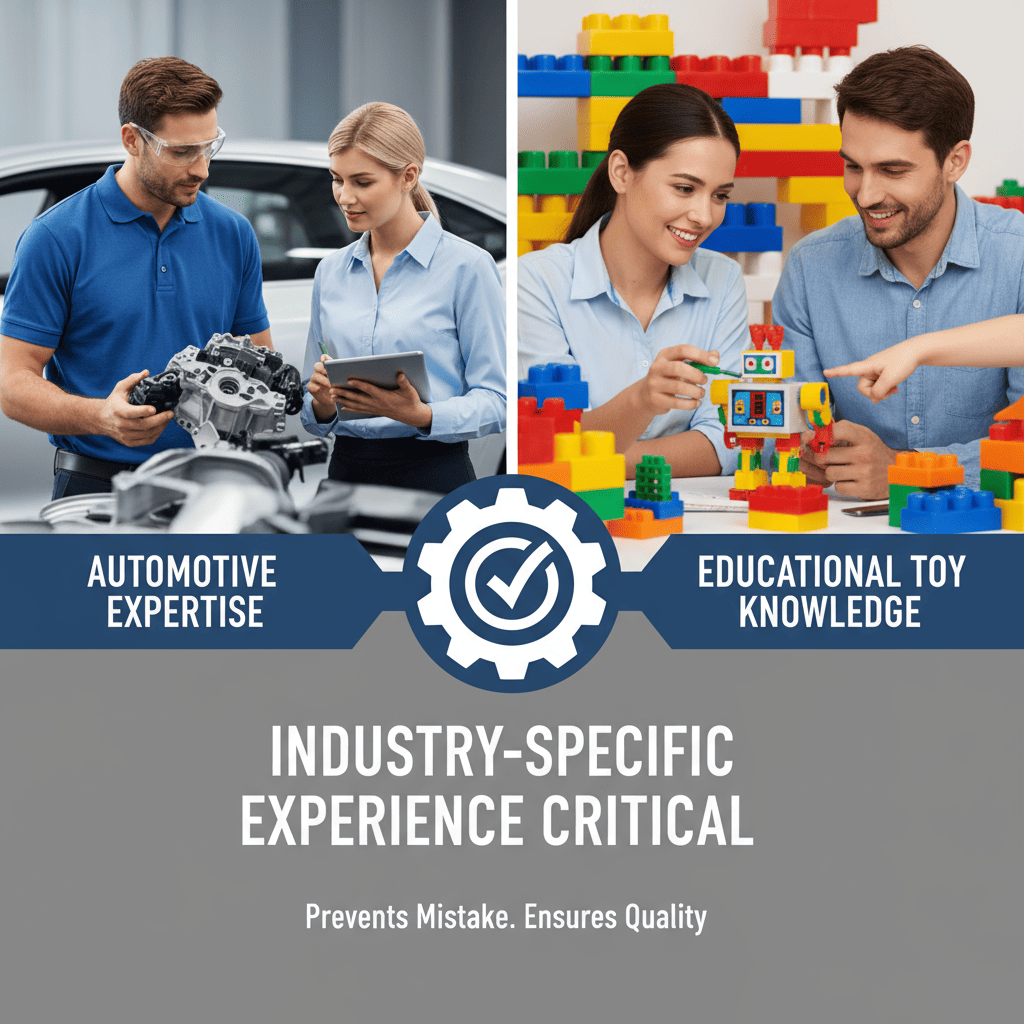
I learned this lesson the hard way early in my career. We were developing a new line of electronic enclosures. We chose a supplier who offered a great price but had mostly made simple household goods. They didn't understand the tight tolerances required for PCB mounting points or the specific grade of flame-retardant ABS plastic we needed. The first samples were a disaster. The parts warped, and the snap-fits broke easily. We lost weeks of time and had to re-tool the mold. Now, I always ask potential suppliers for case studies from my industry. For instance, when working with a STEM toy developer, I know the parts must be durable, non-toxic (meeting RoHS and REACH standards), and have no sharp edges. Our experience in this field means we already know the questions to ask and the potential pitfalls to avoid.
Why Specialization is Key
- Material Knowledge: A specialist knows the best plastics for your application, whether it's PEEK for a high-temperature automotive part or food-grade PP for a container. They understand how different materials shrink and warp.
- Design for Manufacturability (DFM)5: An experienced partner can review your designs and suggest improvements that make the product easier and cheaper to mold without sacrificing quality.
- Regulatory Compliance: They are familiar with the specific standards and certifications for your industry, such as FDA for medical devices or ASTM for toys.
Choosing a partner who speaks your industry's language saves you from having to explain every little detail. It builds a foundation of trust and leads to a much smoother process.
Is a factory visit necessary before starting a project?
You've found a promising supplier online, and their emails are professional. But you can't be sure of their true capabilities. Signing a contract without seeing their operation is a big risk.
A factory visit is absolutely necessary when working with a new supplier. It allows you to verify their equipment, quality control processes, and overall professionalism. For repeat projects with a trusted partner, a visit may not be required.
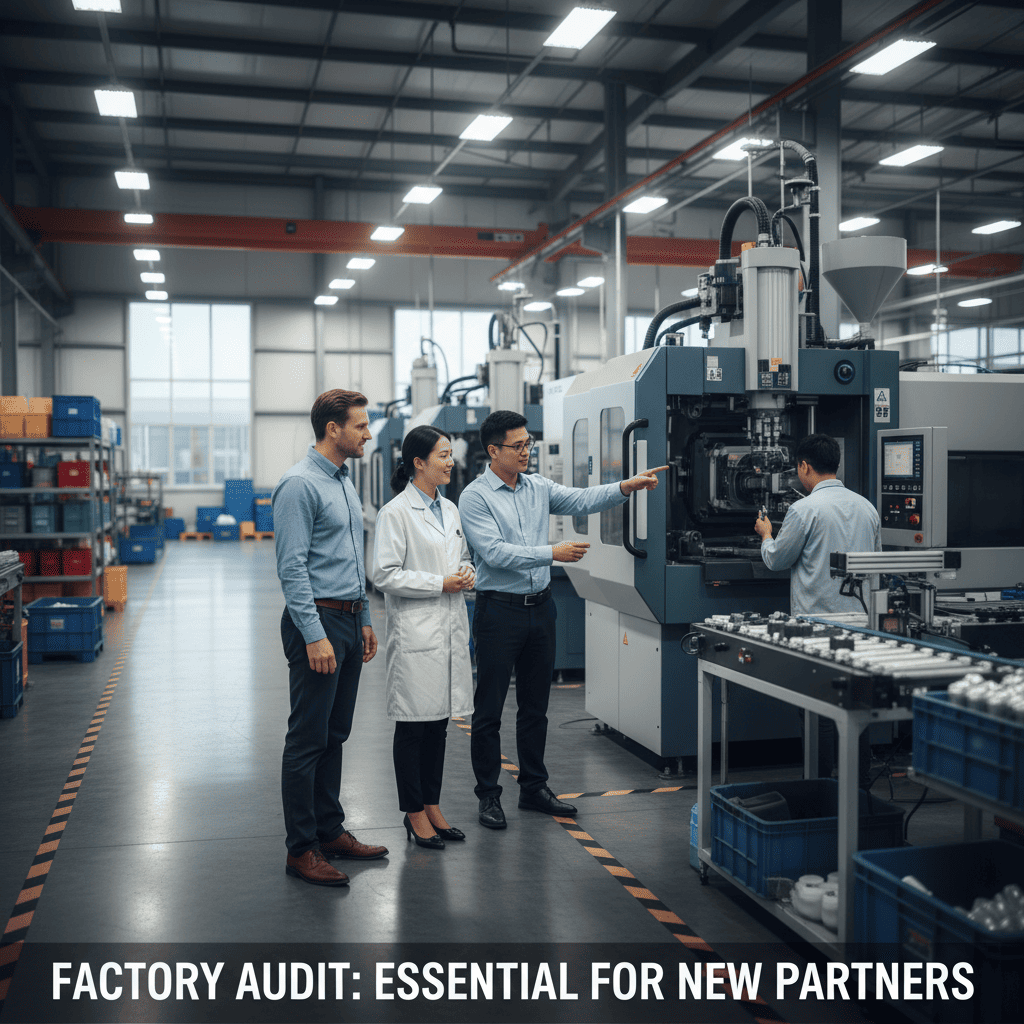
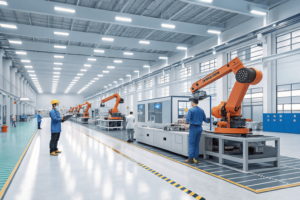
I always tell new clients, "Come and see our factory." Pictures and videos can be deceiving. A real-life visit tells you everything. A few years ago, a potential client from Germany was deciding between us and another local supplier. He was the procurement manager for a major automotive parts distributor. He flew to Dongguan to visit both factories. He told me later that the other factory looked great on their website, but in person, it was disorganized and dusty. When he visited our facility, he saw our automated injection machines, our quality inspection lab, and our team in action. He could see our commitment to precision and cleanliness. That visit sealed the deal. It's an investment of time and money, but it protects you from much larger losses down the line. You get to meet the team you'll be working with and build a personal connection.
What to Look For During a Factory Audit
| Area of Inspection | Key Indicators of a Good Supplier | Red Flags to Watch For |
|---|---|---|
| Equipment & Machinery | Well-maintained, modern machines; evidence of regular calibration. | Old, dirty, or poorly maintained equipment. |
| Quality Control Dept. | Dedicated inspection area, proper testing tools (CMM, calipers). | No dedicated quality area; reliance on visual checks only. |
| Workshop Organization | Clean floors, organized workstations, clear safety markings. | Cluttered, dirty workspace; safety hazards. |
| Team & Culture | Knowledgeable staff who can answer technical questions; professional attitude. | Evasive answers; disorganized team; lack of clear management. |
If you have a trusted partner you've worked with successfully for years, you can skip the visit. But for any new relationship, it's a non-negotiable step for due diligence.
What communication and problem-solving skills should you look for?
The project has started, but you hear nothing for weeks. Suddenly, a problem arises, and your supplier only has bad news. This reactive approach creates stress and delays.
Look for a supplier that offers proactive and transparent communication, including regular progress reports with photos or videos. A great partner will also identify potential problems early and present you with solutions, not just report issues.
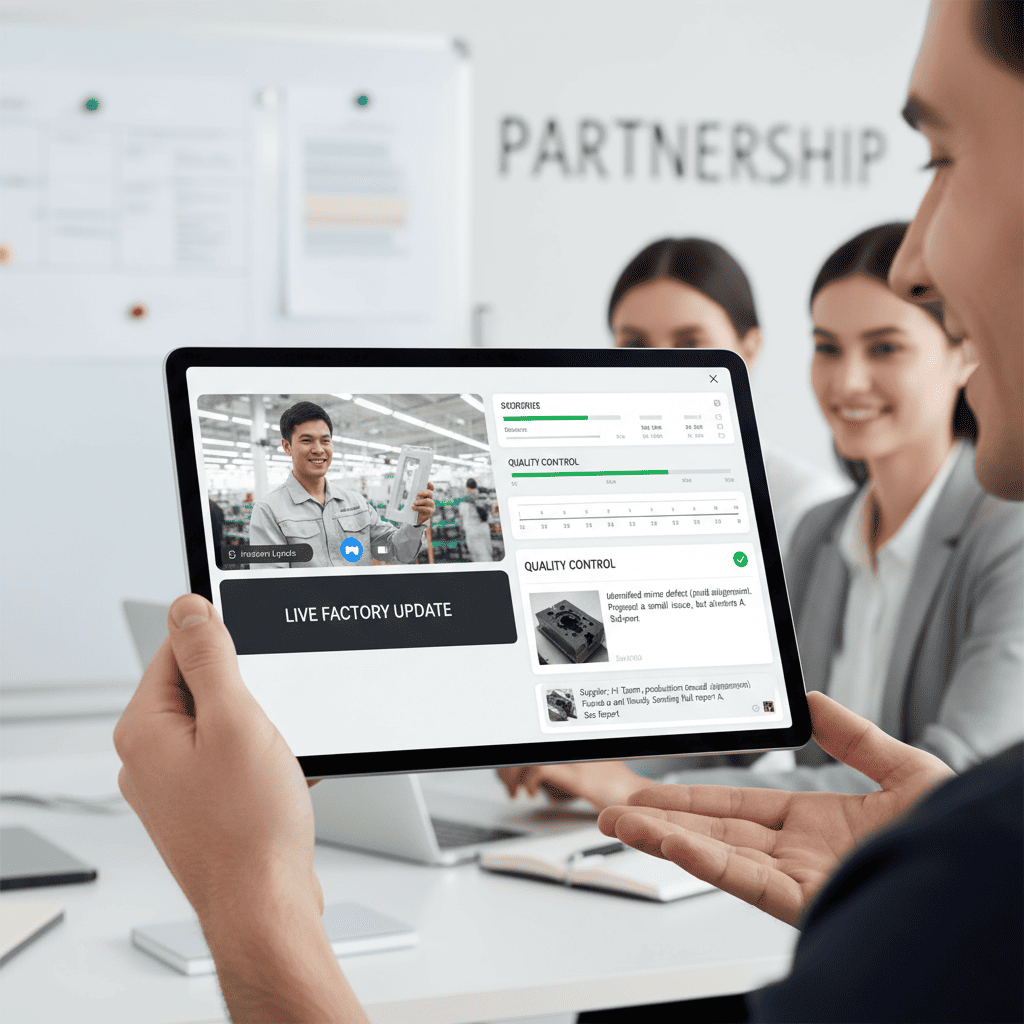
A project is a partnership. The best partners are the ones who communicate clearly and solve problems with you. I remember working with a client on a complex cosmetic packaging project. During the mold design phase, our engineering team found a potential issue with a thin wall section that could cause sink marks on the final product. Instead of just waiting for the problem to happen, we immediately created a mold flow analysis6 report. We scheduled a call with the client and presented two solutions: one involved a small design tweak, and the other involved using a different gate location. The client appreciated our proactive approach. They approved the design change, and the first samples came out perfectly. This is the difference between a simple supplier and a true manufacturing partner. A good partner takes ownership of the project's success.
Key Traits of a Great Partner
- Regular Updates: They should provide a detailed project timeline at the start and send weekly updates with pictures, showing you the progress of your mold. This keeps you informed and eliminates surprises.
- Dedicated Point of Contact: You should have one project manager who knows your project inside and out and can answer all your questions.
- Solution-Oriented Mindset: When a challenge arises—and in manufacturing, they always do—a good partner analyzes the root cause and comes to you with a well-thought-out plan to fix it.
- Transparency: They are honest about timelines and potential challenges. They don't over-promise and under-deliver.
Your supplier should feel like an extension of your own team. Their ability to communicate and solve problems is just as important as their ability to make a mold.
Conclusion
Choosing the right partner means evaluating their location, industry experience, and factory capabilities. Most importantly, find a team that communicates proactively and helps you solve problems along the way.
Reference
Explore this link to find top-rated services that ensure quality and reliability for your projects. ↩
This resource will guide you on key indicators of a good supplier during a factory visit. ↩
Understanding supply chain dynamics can help you avoid delays and sourcing issues. ↩
Understanding infrastructure can help you assess a supplier's capability to meet your needs. ↩
Discover how DFM can streamline your design process and reduce production costs. ↩
Learn how mold flow analysis can help identify potential issues before production begins. ↩